

Geoscience FAQ
What are the major sources and users of energy in the United States?
Information preserved from U.S. Energy Information Administration.
Energy Information Administration's "Energy Explained" series: Energy in the United States and How the United States Uses Energy
Energy Sources in the United States
"The three major fossil fuels—petroleum, natural gas, and coal—combined accounted for about 77.6% of the U.S. primary energy production in 2017:
- Natural gas: 31.8%
- Petroleum (crude oil and natural gas plant liquids): 28%
- Coal: 17.8%
- Renewable energy: 12.7%
- Nuclear electric power: 9.6%"
Energy Uses in the United States
"The United States is a highly developed and industrialized society. Americans use a lot of energy in homes, in businesses, and in industry. Americans also use energy for personal travel and for transporting goods. There are five energy consuming sectors:
- The industrial sector [32% of all energy consumption, including electricity] includes facilities and equipment used for manufacturing, agriculture, mining, and construction.
- The transportation sector [29% of all energy consumption, including electricity] includes vehicles that transport people or goods, such as cars, trucks, buses, motorcycles, trains, aircraft, boats, barges, and ships.
- The residential sector [20% of all energy consumption, including electricity] consists of homes and apartments.
- The commercial sector [18% of all energy consumption, including electricity] includes offices, malls, stores, schools, hospitals, hotels, warehouses, restaurants, and places of worship and public assembly.
- The electric power sector consumes primary energy to generate most of the electricity consumed by the other four sectors."
Read more at the Energy Information Administration's "Energy Explained" website.
Learn More:
- Our Energy System (Interactive Diagram), The National Academies
Visualization of the energy sources that are used in the United States, including solar, nuclear, hydro, wind, geothermal, natural gas, coal, biomass, and oil. Shows how much of each primary energy source is used, how much goes toward making electricity, and which sectors use each energy source.
- Monthly Energy Review (Data), Energy Information Administration
Monthly statistics on energy production and consumption for petroleum, natural gas, coal, electricity (from renewable and non-renewable sources), nuclear energy, and renewable sources. Also includes statistics on emissions by energy source.
- International Energy Outlook (Report), Energy Information Administration
Annual report on the sources and uses of energy around the world, including projections of future usage.
- International Energy Production and Consumption (Web Tool), International Energy Agency
Flow ("Sankey") diagram showing the production (by source) and consumption (by sector) of energy, globally and by individual country, every year since 1973.
Explore Related FAQs
How much carbon dioxide is produced when different fuels are burned?
U.S. Energy Information Administration
Open FAQHow much coal does the U.S. export and import?
American Geosciences Institute
Open FAQHow much of U.S. carbon dioxide emissions are associated with electricity generation?
U.S. Energy Information Administration
Open FAQWhat are the different types of coal?
American Geosciences Institute
Open FAQWhat is coalbed methane?
American Geosciences Institute
Open FAQWhat types and amounts of energy are produced in each state?
U.S. Energy Information Administration
Open FAQWhich states are the largest producers and consumers of coal?
U.S. Energy Information Administration
Open FAQWhich states are the largest producers and consumers of coal?
American Geosciences Institute
Open FAQExplore Geoscience Intersections
Browse related geoscience intersections pages connected to the topics covered in this FAQ.
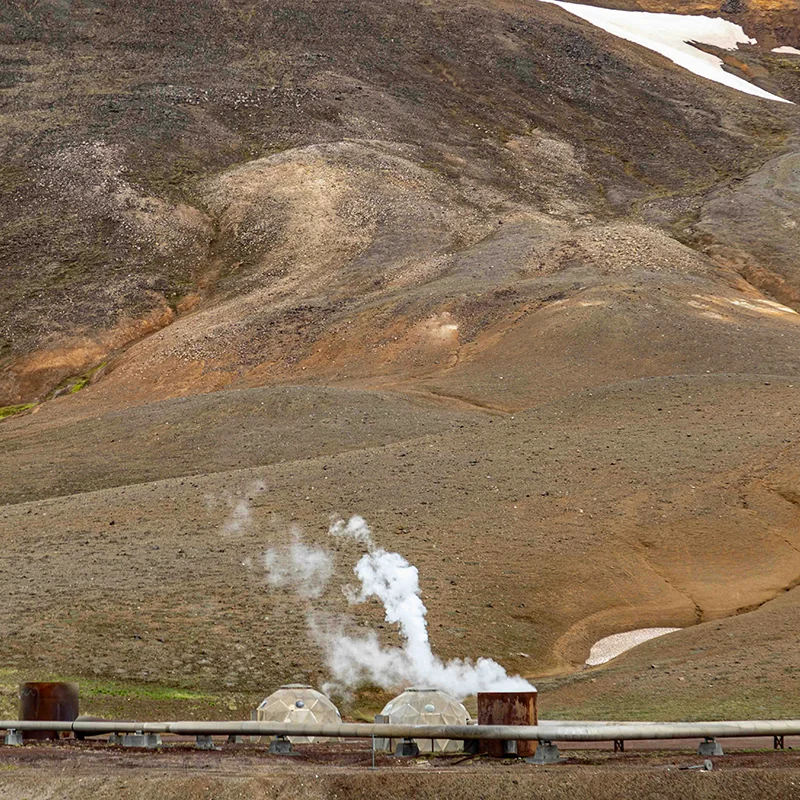
Geothermal Energy
Geothermal energy is harvested by drilling into underground reservoirs of steam or water heated by the Earth. While western states like California and Nevada lead the country in geothermal energy production, emerging technologies may make it possible to extract geothermal energy throughout the United States.
Learn more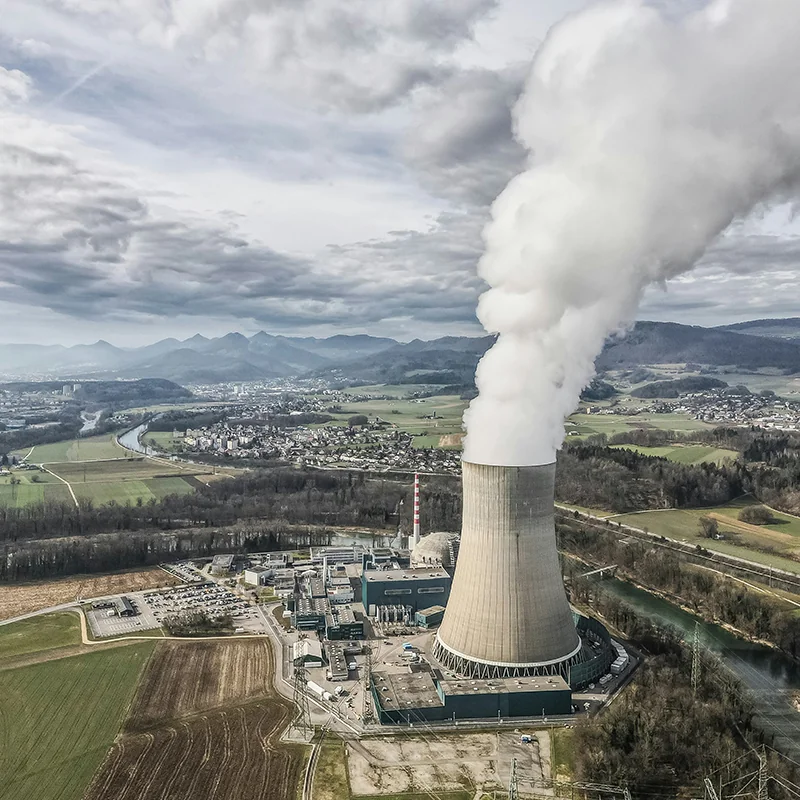
Nuclear Energy
Nuclear energy is produced from fission, which splits the large atoms of heavy elements like uranium into smaller atoms, releasing enormous amounts of energy. Thirty U.S. states have nuclear power plants, and nuclear energy makes up around 20% of the U.S. electricity supply.
Learn more
Oil and Gas
Petroleum oil and natural gas are hydrocarbons that formed over millions of years under heat and pressure deep in the Earth. Petroleum and natural gas are the largest sources of energy in the United States.
Learn more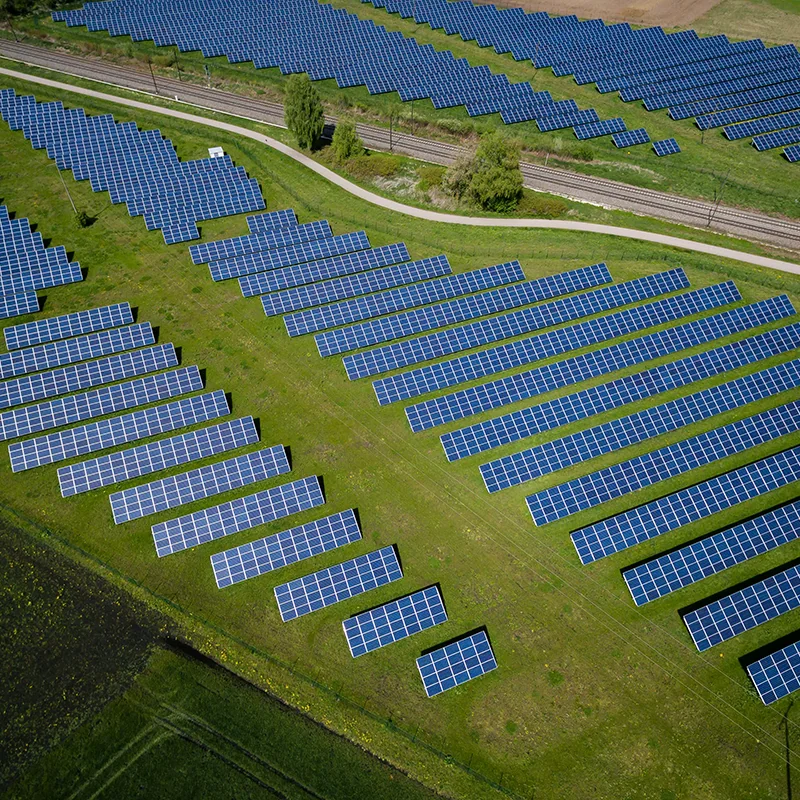
Renewable Energy
Renewable energy comes from sources that are constantly replenished, like running water, the heat of the Earth, the Sun's light, or wind. Renewables account for around 11% of U.S. energy consumption and 17% of electricity production.
Learn more