

Geoscience FAQ
What is frac sand?
Information preserved from American Geosciences Institute.
Frac sand is a type of sand with small, uniform particles. It is injected into the rock formation along with the water used to fracture the rock in the process known as hydraulic fracturing ("fracking"). The sand is used to prop open the fractures that are created. Because the particles are uniform, fluids like water, oil, and gas are able to flow through the spaces between the particles. Frac sand is currently mined in a range of states, with the Great Lakes Region, consisting of Illinois, Minnesota, Michigan, and Wisconsin, contributing approximately 70% of the silica sand used in America as a proppant in 2014.
Learn More
- Mining: Frac Sand (Webpage), Wisconsin Geological Survey
A short overview of frac sand, where it is found, and how it is mined, with links to other resources.
- Frac Sand in the United States (Report), U.S. Geological Survey
A geological and industry overview of frac sand mining in the U.S.
- Minnesota Issue Guide: Silica (Frac) Sand Mining (Webpage), Minnesota Legislative Reference Library
Webpage on frac sand mining in Minnesota, with information on relevant legislation.
Explore Related FAQs
How do pyrite and pyrrhotite damage building foundations?
American Geosciences Institute
Open FAQWhere can I find statistics about the supply and demand of industrial minerals?
American Geosciences Institute
Open FAQWhich mineral commodities used in the United States need to be imported?
American Geosciences Institute
Open FAQExplore Geoscience Intersections
Browse related geoscience intersections pages connected to the topics covered in this FAQ.
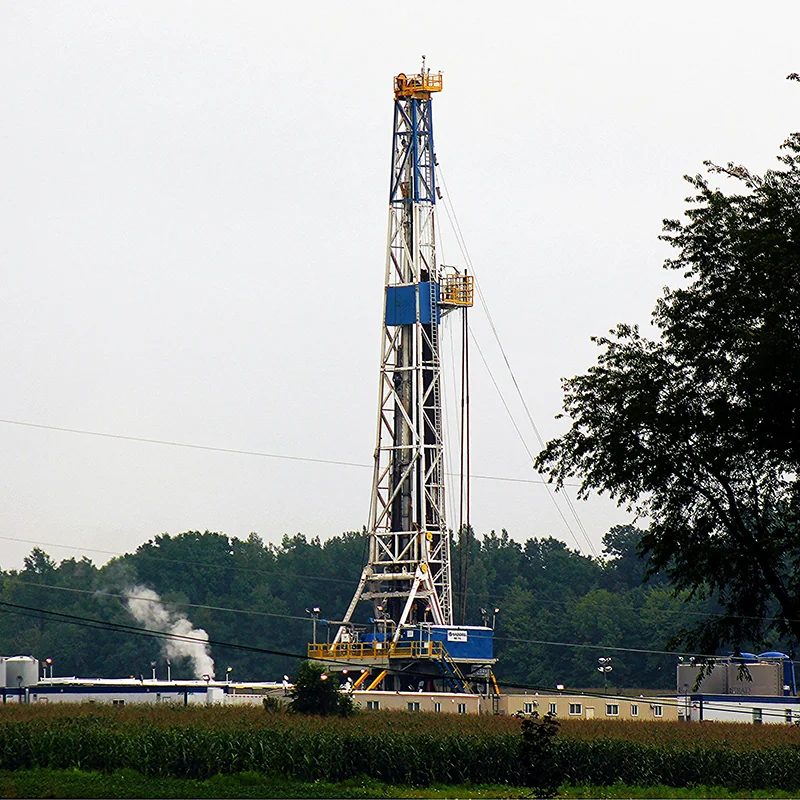
Hydraulic Fracturing
Hydraulic fracturing is a technique used in one step of the extraction of energy resources. Sometimes referred to as fracking, its wide application over the last decade has led to debate over its risks and benefits.
Learn more
Industrial Minerals
Industrial minerals are non-metals including crushed rock, sand, and gravel. They are essential for construction of buildings and highways, and are used in many household products and industrial processes.
Learn more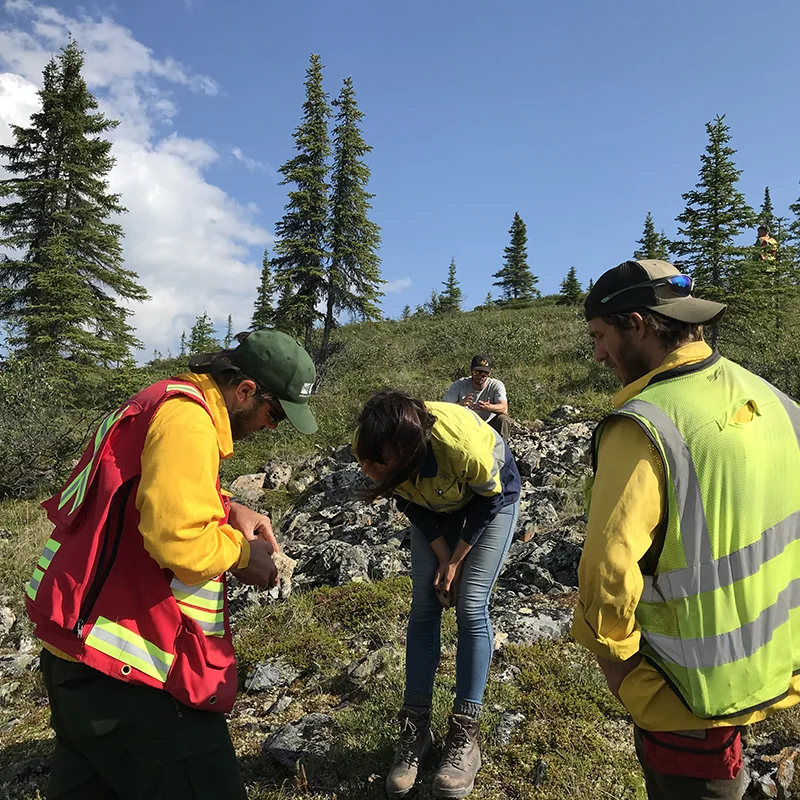
Mineral Resources
Global demand is rising for mineral resources of all kinds, including metals, industrial minerals, and solid fuels like coal. Mineral resources are unequally distributed around the globe, reflecting the vast differences in geology of different parts of the Earth. Geoscientists play an essential role in locating mineral resources and designing processes for their safe extraction.
Learn more