


Intersection Topic
Solar Energy
Solar energy is energy from the Sun, which can be harnessed in several ways. Solar panels use the photovoltaic effect to generate electricity directly from sunlight. The Sun's heat can be used directly to heat water or air, or it can be concentrated to boil water, driving steam turbines that generate electricity.
The Basics
Solar energy is energy from the Sun, which can be harnessed in several ways. Solar panels use the photovoltaic effect to generate electricity directly from sunlight. The Sun’s heat can be used directly to heat water or air, or it can be concentrated to boil water, driving steam turbines that generate electricity. Solar energy is a form of renewable energy.
Solar power generation is most effective in places that have a lot of direct sunlight throughout the year. Low-latitude, desert areas are ideal, such as southern California, Arizona, and Nevada. However, most areas of the United States are sunny enough to use solar energy to some extent. Solar energy is only available when the sun is shining, so even in the sunniest places, nighttime energy needs must be provided by other energy sources. Scientists and engineers are working to develop advanced batteries to store energy generated from solar power and therefore make solar energy usable 24 hours a day.
Why does solar energy matter?
Solar energy currently only provides around 1% of the electricity in the United States. However, solar power facilities are expanding rapidly both in large-scale commercial utilities and in home installations. Solar power generation in the U.S. doubled from 2014 to 2016; with continued improvements in technology, and existing policy incentives for renewable energy, solar energy is expected to become a larger source of electricity in the U.S. in the future. The production of many new solar cells and advanced battery storage will also require a wide variety of Earth materials, some of which are very rare.
How does geoscience help inform decisions about solar energy development?
Geoscientists study the distribution of solar resources (i.e., how sunny different places are) and help to identify suitable sites for solar power generation. Geoscientists locate and extract the wide variety of mineral resources required by solar energy technologies, and help to minimize environmental damages associated with mining for these resources.
Learn More
Introductory Resources
-
How does solar work?, Department of Energy
Information on the various different ways in which solar energy is harnessed, including solar photovoltaics, concentrating solar power, solar water heating, and passive solar technology, with links to many more resources -
Solar Explained, Energy Information Administration
Introductory information on solar energy, benefits and limitations, technologies, and environmental impacts
Resources for Educators
-
Education GeoSource Network (EGS), AGI
Search for solar energy resources related to professional resources, curricula & instruction, teaching media, outreach programs, and other EGS collections. -
NGSS Performance Expectations, Next Generation Science Standards
4-ESS3-1, MS-ESS2-1, HS-ESS3-2 -
NGSS Disciplinary Core Ideas, Next Generation Science Standards
ESS2.A, ESS3.A
Additional Resources
Geoscience in Society Webinars
See how geoscience informs our understanding of societal issues.
Watch webinarsPolicy Resources
Search related case studies, factsheets and other policy resources.
Browse policy resourcesFAQs
Browse frequently asked questions related to the intersection of geoscience and society.
Browse FAQsEARTH Magazine
Browse related articles from EARTH magazine.
Browse EARTH MagazineEnvironmental Awareness Series
Read our reports showcasing how geoscience is used to address societal concerns.
Browse reportsExplore Related Topics
Coal
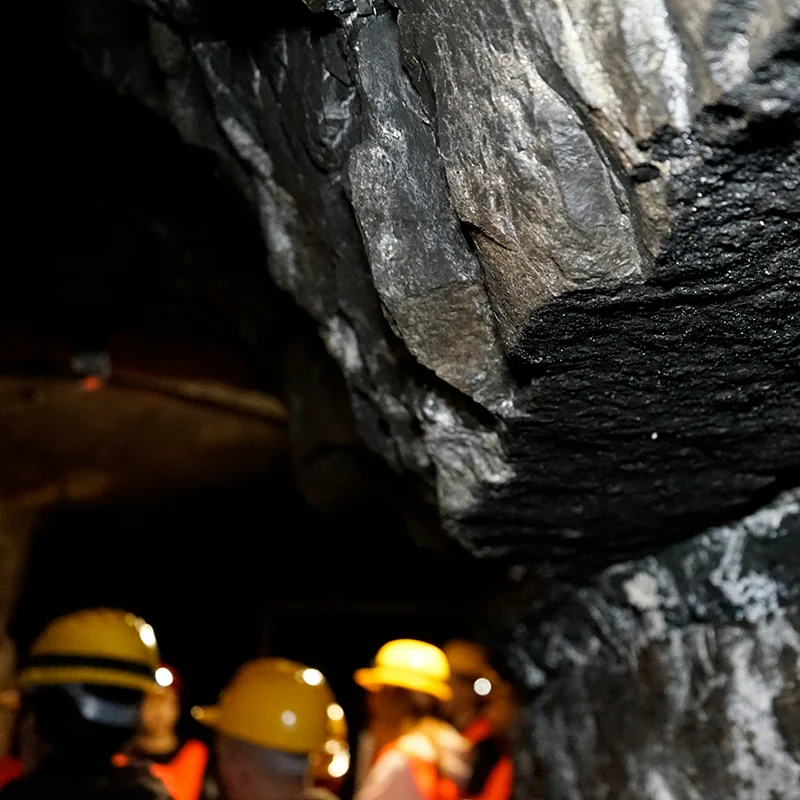
Coal is a carbon-rich rock formed from plants that grew millions of years ago. Coal is a major source of electricity in the United States and the largest source of energy for electricity generation worldwide.
Energy
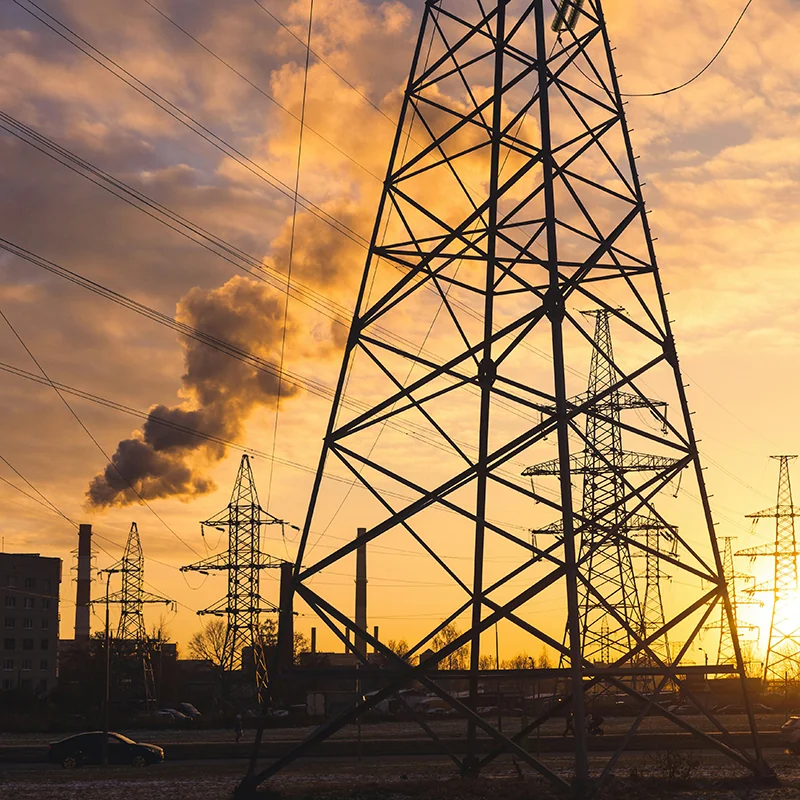
All of the energy we use comes from the Earth, its atmosphere, or the Sun. Some resources are mined or extracted, like coal, uranium, oil, and gas. Others, like wind, solar, tidal, biomass, and hydropower resources, are harnessed at the Earth’s surface. Geoscientists play an essential role in developing energy resources and evaluating their environmental impacts.
Geothermal Energy
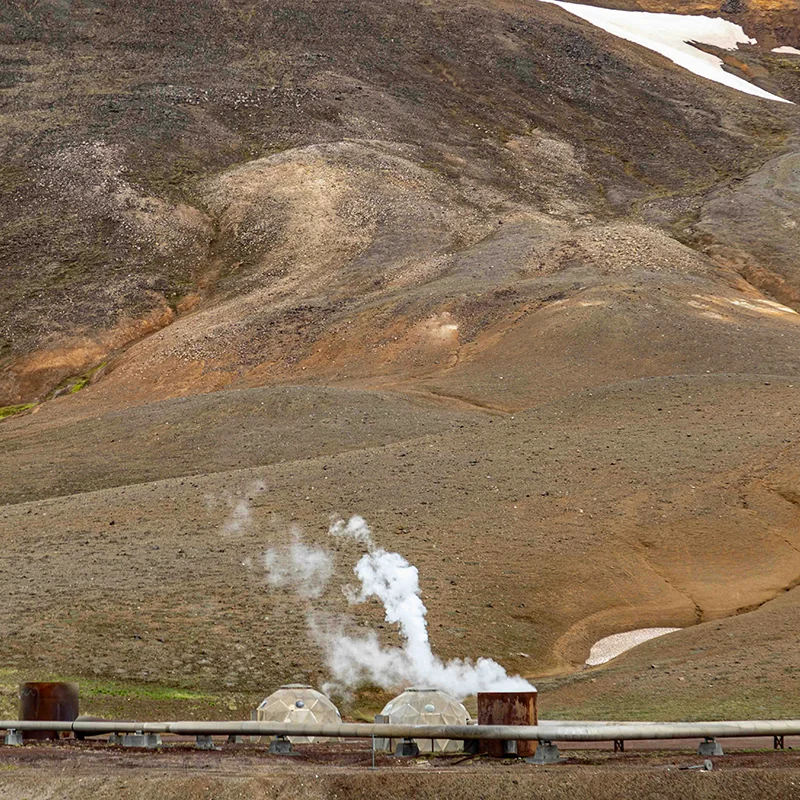
Geothermal energy is harvested by drilling into underground reservoirs of steam or water heated by the Earth. While western states like California and Nevada lead the country in geothermal energy production, emerging technologies may make it possible to extract geothermal energy throughout the United States.
Hydraulic Fracturing
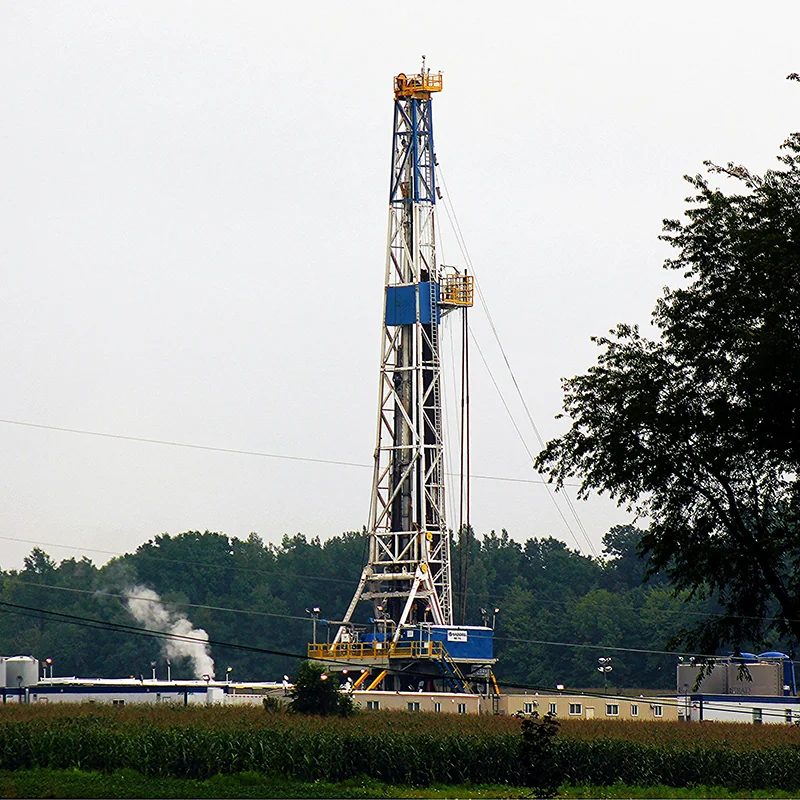
Hydraulic fracturing is a technique used in one step of the extraction of energy resources. Sometimes referred to as fracking, its wide application over the last decade has led to debate over its risks and benefits.
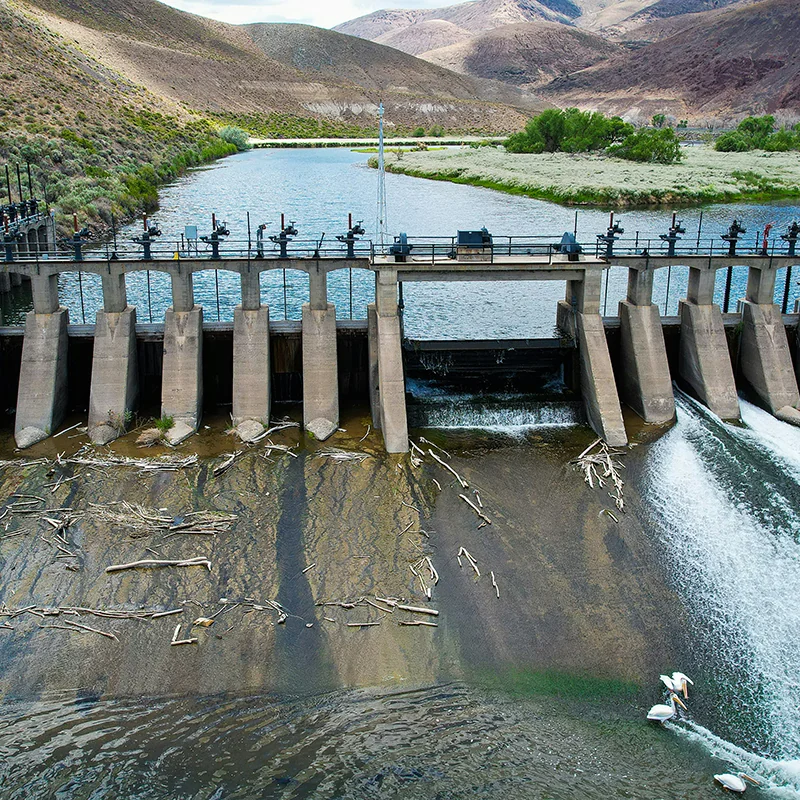
Hydropower
Hydropower uses the energy from moving water to power machines or generate electricity. Used for over two thousand years in water mills, today hydropower is more commonly associated with electricity generation.
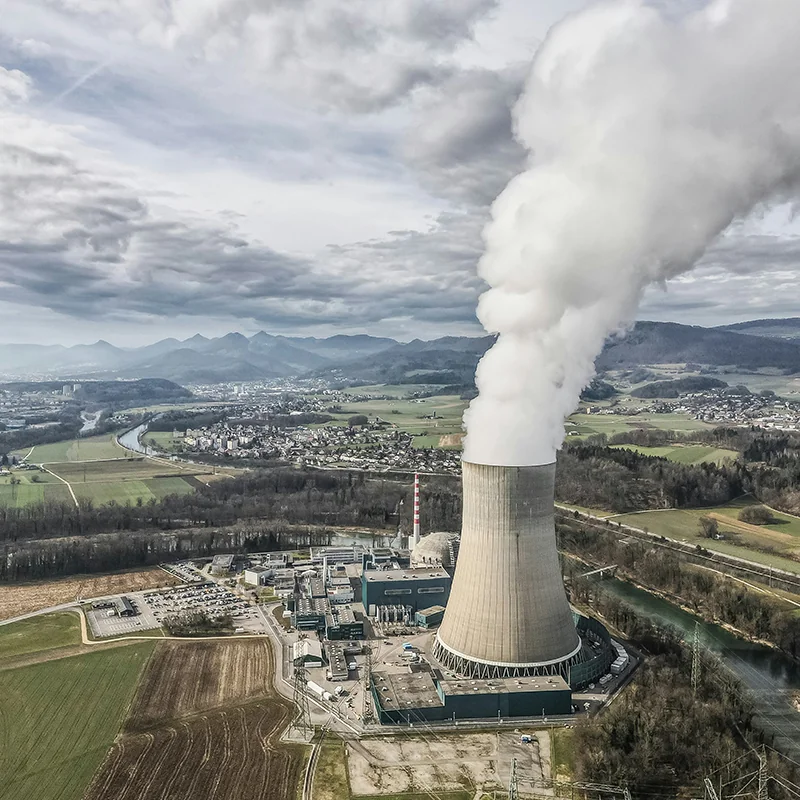
Nuclear Energy
Nuclear energy is produced from fission, which splits the large atoms of heavy elements like uranium into smaller atoms, releasing enormous amounts of energy. Thirty U.S. states have nuclear power plants, and nuclear energy makes up around 20% of the U.S. electricity supply.

Oil and Gas
Petroleum oil and natural gas are hydrocarbons that formed over millions of years under heat and pressure deep in the Earth. Petroleum and natural gas are the largest sources of energy in the United States.
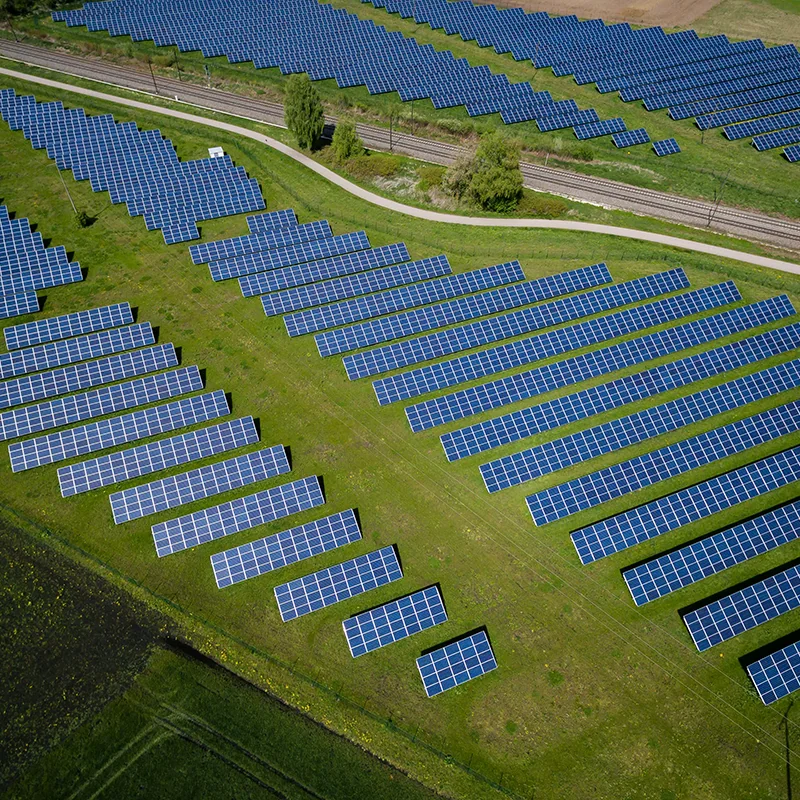
Renewable Energy
Renewable energy comes from sources that are constantly replenished, like running water, the heat of the Earth, the Sun’s light, or wind. Renewables account for around 11% of U.S. energy consumption and 17% of electricity production.
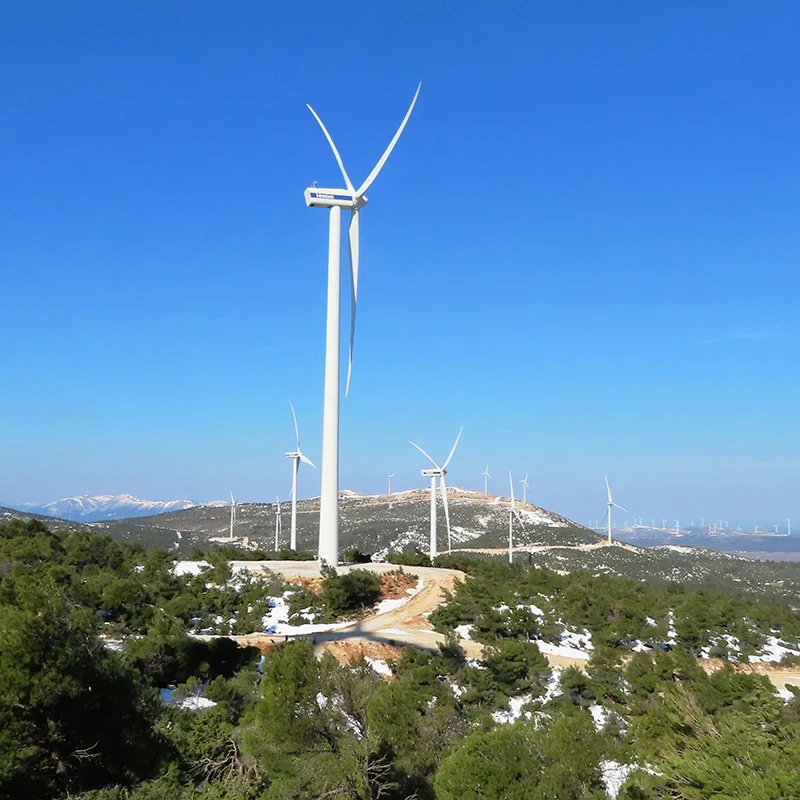
Wind Energy
Wind energy is harnessed by wind turbines, which convert the energy of the wind into electricity. Wind energy is one of the largest sources of renewable energy. Wind farms can now be found in more than 40 states.