

Intersection Topic
Waste Management
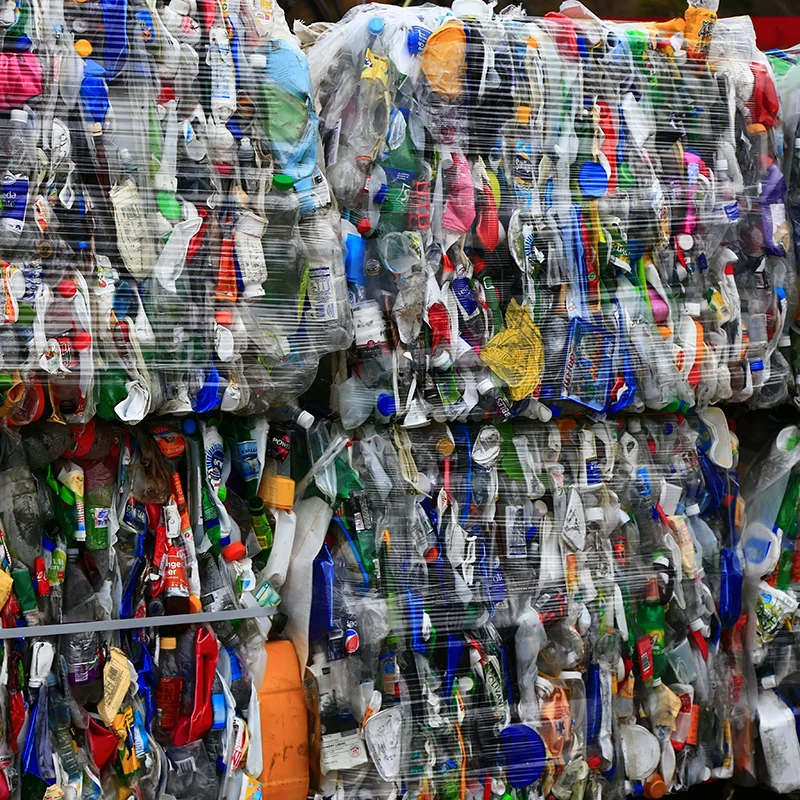
Although our industrial society produces a variety of solid wastes and waste waters, over the past 50 years we have made progress in disposing of them safely in landfills, by incineration, and in underground injection wells. Many wastes are also increasingly recycled or reused.
The Basics
An essential goal of waste management is to dispose of waste without contaminating water, soil, and air. Many wastes are disposed of safely in engineered landfills, by incineration, and in underground injection wells. All of these processes of waste management are monitored and regulated closely.[1] Waste management can also provide economic opportunity: generating energy from landfill gas; recycling to produce new materials from used plastic, paper, glass, or metal; or composting to produce rich soil from yard and food waste.
Why does waste management matter?
Safe waste management is essential in a world with increasing amounts of waste – from plastic trash to industrial waste water. Without proper management, solid and water wastes can have a number of impacts on public health and ecosystems.
How does geoscience help?
Geoscientists help design systems to dispose of waste safely – whether in the air, on the surface, or beneath the ground. They also help to locate safe sites for waste management and study the impacts of waste underground and at the surface.
References
1 Environmental Protection Agency, “Summary of the Resource Conservation and Recovery Act”, https://www.epa.gov/laws-regulations/summary-resource-conservation-and-recovery-act, accessed May 18, 2017
Learn More
Introductory Resources
-
Learn about Waste, Environmental Protection Agency
Web articles on resource conservation, hazardous waste, and non-hazardous waste. -
Injection Wells, Environmental Protection Agency
Brief web article in question-answer format on what underground injection wells are used for, what they are injected with, how wells are categorized and regulated, and links to regulators in each state. -
Modern Landfills, Waste Management, Inc.
A fact sheet on the science of landfill management and the use of methane gas, a by-product of trash decomposition, as an energy source.
Resources for Educators
-
Education GeoSource Network (EGS), AGI
Search for waste management resources related to professional resources, curricula & instruction, teaching media, outreach programs, and other EGS collections. -
NGSS Performance Expectations, Next Generation Science Standards
K-ESS3-3, 5-ESS3-1, MS-ESS3-3, MS-ESS3-4, HS-ESS3-3, HS-ESS3-4 -
NGSS Disciplinary Core Ideas, Next Generation Science Standards
ESS3.C
Additional Resources
Geoscience in Society Webinars
See how geoscience informs our understanding of societal issues.
Watch webinarsPolicy Resources
Search related case studies, factsheets and other policy resources.
Browse policy resourcesFAQs
Browse frequently asked questions related to the intersection of geoscience and society.
Browse FAQsEARTH Magazine
Browse related articles from EARTH magazine.
Browse EARTH MagazineEnvironmental Awareness Series
Read our reports showcasing how geoscience is used to address societal concerns.
Browse reportsExplore Related Topics
Climate Change
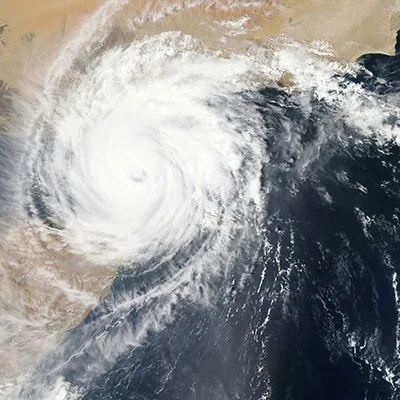
Climate has an enormous impact on society, with wide-ranging effects on public safety and health, the economy, transportation, infrastructure, and agriculture. Geoscientists investigate our climate’s past and present to better understand how it may change in the future.
Water Quality
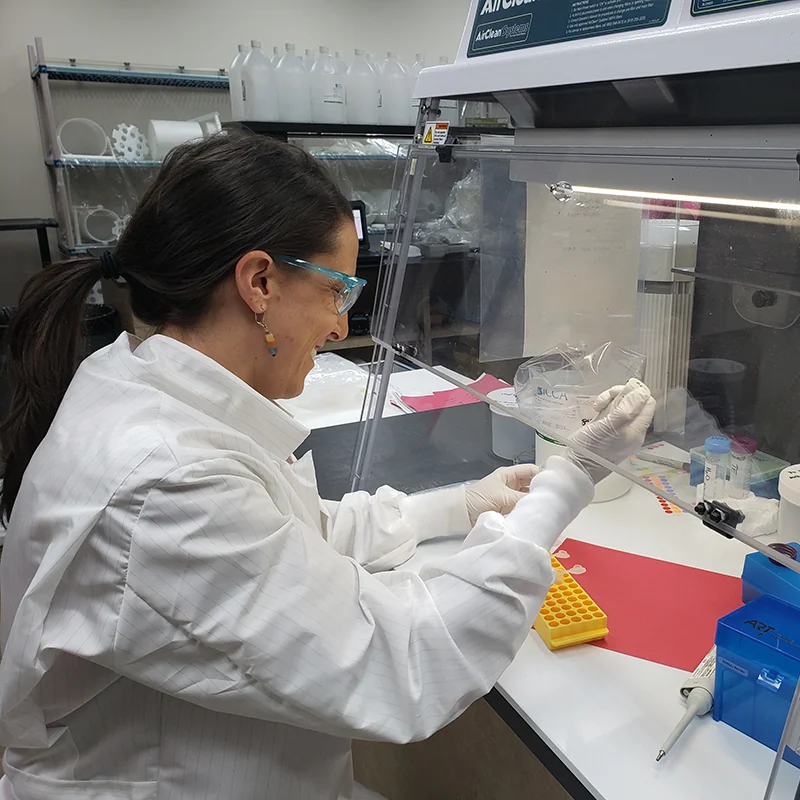
Water quality refers to whether water is suitable for a certain purpose, like drinking or irrigation. Both natural and man-made factors can affect water quality. Contaminants can include bacteria, metals, and man-made chemicals like pesticides or pharmaceutical drugs.