

Intersection Topic
Water Availability
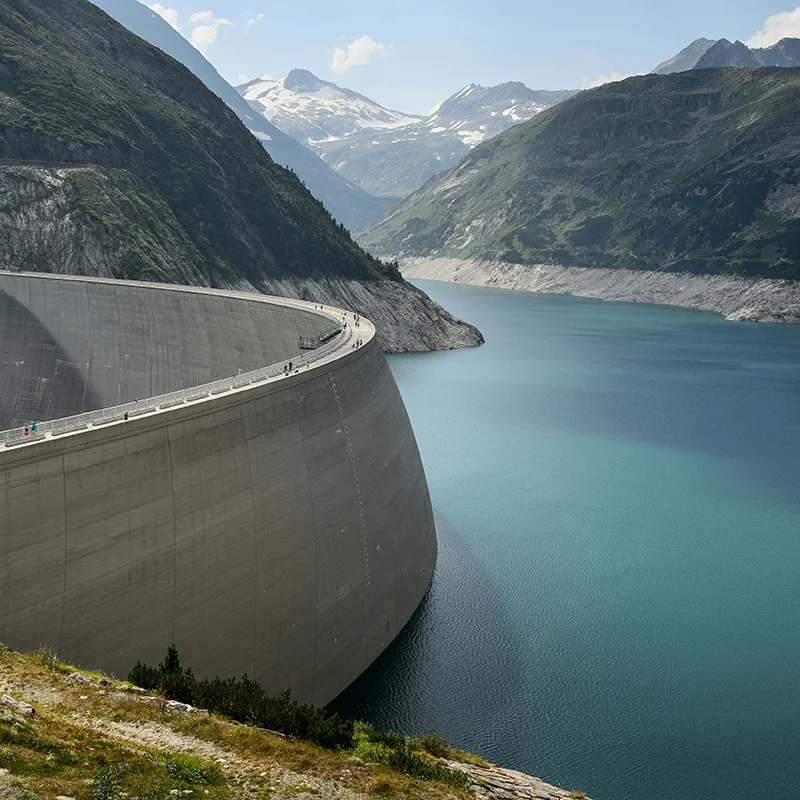
Water is constantly moving on the Earth between the atmosphere, ocean, rivers and streams, snowpacks and ice sheets, and underground. Water availability, both as surface water and groundwater, is essential for agriculture, human consumption, industry, and energy generation.
The Basics
Fresh water is available as surface water (such as lakes, rivers, reservoirs) and groundwater (found underground in rock or soil layers, and accessed through wells or natural springs). Water is constantly moving on the Earth between the atmosphere, ocean, and different fresh water bodies. Climate, land use, local geology, and water quality all affect the availability of fresh water resources in addition to the direct demands people place on them.
Why does water availability matter?
Water is vital for agriculture, human consumption, industry, and energy generation. If local surface water and groundwater are used up or contaminated beyond use, it becomes necessary to turn to alternative, often more expensive water sources.
How does geoscience help inform decisions on water availability?
Geoscientists study how water moves in order to locate and quantify surface water and water underground. They use models to predict how much water will be available under different scenarios of climate and societal demand. They also explore alternative water sources like water recycling and desalination of ocean water.
Learn More
Introductory Resources
-
Groundwater Information, U.S. Geological Survey Water Science School
Basic information on the science of groundwater, human interaction with groundwater (wells, groundwater depletion, and overuse), groundwater quality (pesticides, contaminants, water well contamination), use of groundwater, and groundwater measurement, discussion of groundwater and the water cycle, and links to USGS Groundwater data. -
Surface Water Information, U.S. Geological Survey Water Science School
Basic information on the science of surface water, surface water hazards (floods, drought, storms), surface water quality (runoff, sil fences, sediment ponds, storm sewers, urbanization and water quality, poultry industry and water quality), statistics on surface water use by various sectors, discussion of surface water and the water cycle, measuring surface water, links to surface water data. -
Alternative Water Sources, U.S. Department of Energy
Information on alternative water supplies: stormwater, reclaimed wastewater, graywater, and more, with links to further resources and case study examples for each.
Resources for Educators
-
Education GeoSource Network (EGS), AGI
Search for water availability resources related to professional resources, curricula & instruction, teaching media, outreach programs, and other EGS collections. -
NGSS Performance Expectations, Next Generation Science Standards
K-ESS3-1, MS-ESS3-1, HS-ESS3-1 -
NGSS Disciplinary Core Ideas, Next Generation Science Standards
ESS3.A
Additional Resources
Geoscience in Society Webinars
See how geoscience informs our understanding of societal issues.
Watch webinarsPolicy Resources
Search related case studies, factsheets and other policy resources.
Browse policy resourcesFAQs
Browse frequently asked questions related to the intersection of geoscience and society.
Browse FAQsEARTH Magazine
Browse related articles from EARTH magazine.
Browse EARTH MagazineEnvironmental Awareness Series
Read our reports showcasing how geoscience is used to address societal concerns.
Browse reportsExplore Related Topics
Climate Change
Climate has an enormous impact on society, with wide-ranging effects on public safety and health, the economy, transportation, infrastructure, and agriculture. Geoscientists investigate our climate’s past and present to better understand how it may change in the future.
Drought
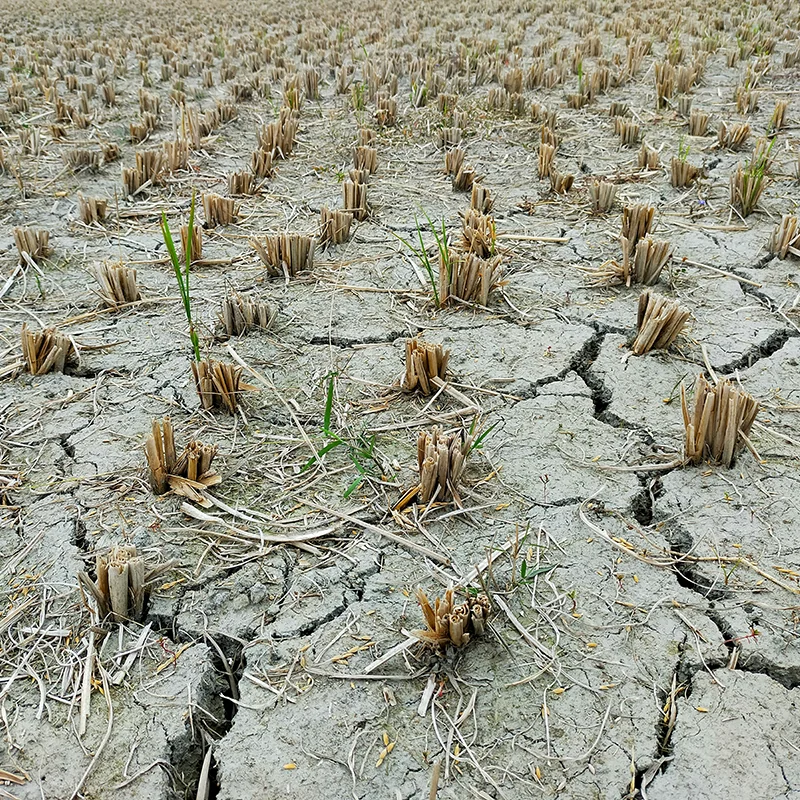
Since 1980 the United States has experienced more than 24 major droughts, resulting in almost 3,000 deaths and economic impacts exceeding $225 billion.All areas of the U.S. have some drought risk.
Groundwater
Groundwater is the water found underground in the cracks and spaces in soil, sand, and rock. Groundwater has been used by humans for thousands of years; today it provides 25% of the fresh water used in the United States, mostly for irrigation and public water supplies.

Water
Water is essential for society and, as demand steadily rises, our most precious commodity. Geoscientists study how to provide a clean and secure water source to meet society’s needs.
Water Quality
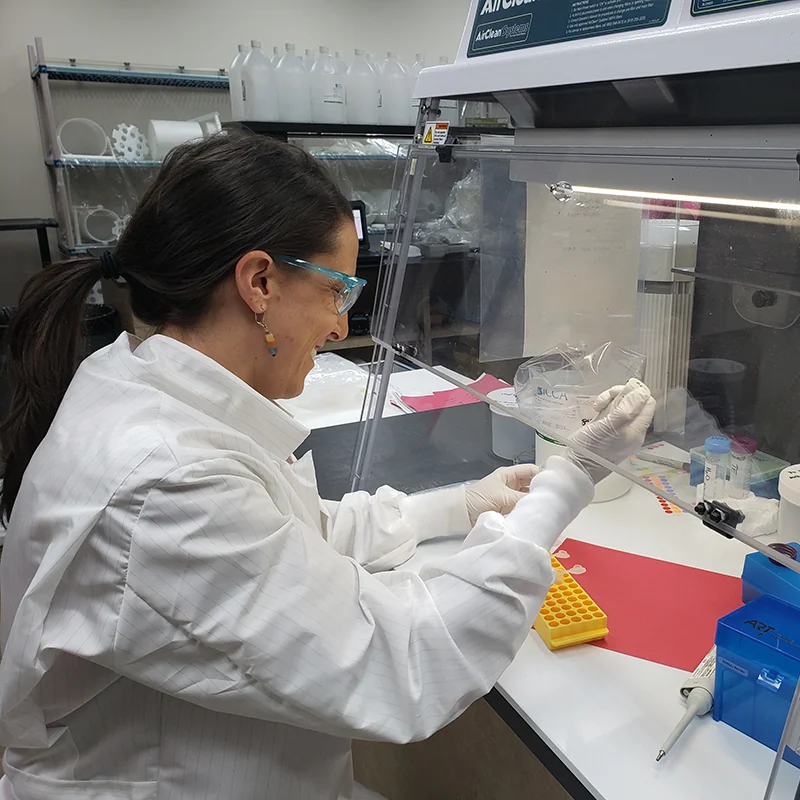
Water quality refers to whether water is suitable for a certain purpose, like drinking or irrigation. Both natural and man-made factors can affect water quality. Contaminants can include bacteria, metals, and man-made chemicals like pesticides or pharmaceutical drugs.
Wildfires
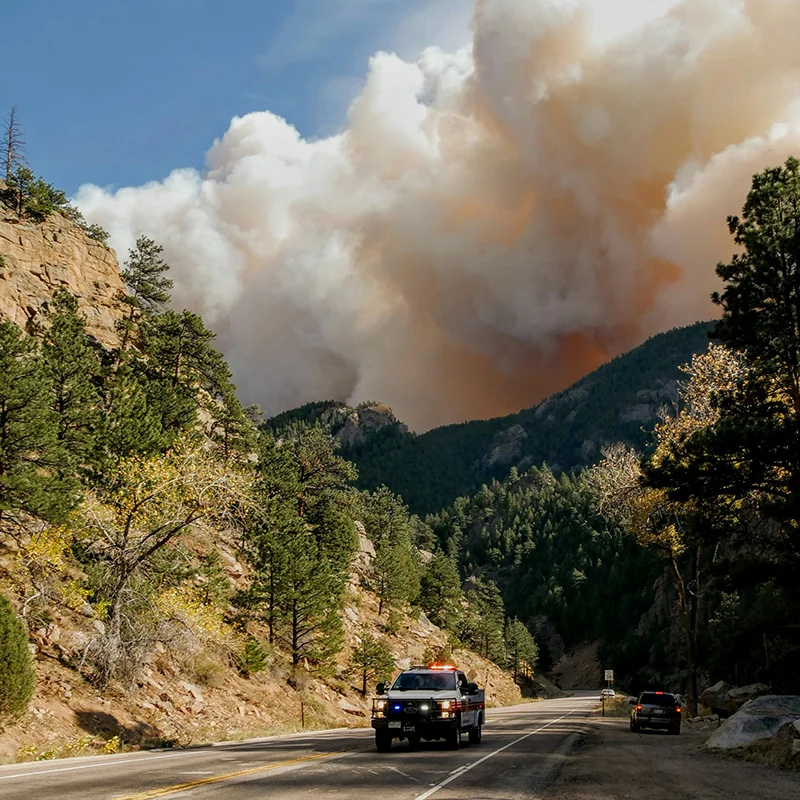
Wildfires are causing more frequent and wider-ranging societal impacts, especially as residential communities continue to expand into wildland areas. Since 2000, there have been twelve wildfires in the United States that have each caused damages exceeding $1 billion; cumulatively, these twelve wildfires have caused a total of $44 billion in damages.