

Geoscience FAQ
How do groundwater and surface water interact?
Information preserved from American Geosciences Institute.
Material adapted from: Vandas, S.J., Winter, T.C., and Battaglin, W.A. 2002. Water and the Environment, p. 28-29. Published by the American Geosciences Institute Environmental Awareness Series. Click here to download the full handbook.
Surface water and groundwater systems are connected in most landscapes. Streams interact with groundwater in three basic ways: streams gain water from inflow of groundwater through the streambed, streams lose water by outflow through the streambed, or they do both depending upon the location along the stream. It is the groundwater contribution that keeps streams flowing between precipitation events or after snowmelt. For a stream to gain water, the elevation of the water table in the vicinity of the stream must be higher than the streamwater surface. For a stream to lose water to groundwater, the water table must be below the elevation of the stream-water surface in the vicinity of the stream. If the water table has large variations during the year, a stream segment could receive water from groundwater for a portion of the year and lose water to groundwater at other times.
Surface-water bodies such as lakes and wetlands can receive groundwater inflow, recharge groundwater, or do both. The movement of water between groundwater and surface-water systems leads to the mixing of their water qualities. High quantities of nutrients or other dissolved chemicals in surface water can be transferred to the connected groundwater system.
Learn More
- Water as One Resource (Webinar), American Geosciences Institute
Three presentations covering how groundwater and surface water interact, what the implications of these interactions on water resources are, and how water can be more effectively managed if an understanding of these interactions is incorporated.
- Ground Water and Surface Water: A Single Resource (Handbook), U.S. Geological Survey
A comprehensive overview of groundwater and surface-water interactions for a general audience. Covers natural processes of interaction (interactions in the hydrologic cycle, chemical interactions of groundwater and surface water, interactions in different landscapes), effects of human activities on groundwater and surface-water interactions, and challenges and opportunities in these interactions.
- Ground Water and Surface Water Interactions (Website), U.S. Geological Survey
This website pulls together technical and general publications, project websites, and technical models related to groundwater and surface water interactions.
Explore Related FAQs
Can droughts be predicted?
American Geosciences Institute
Open FAQHow can you find out how deep the water table is in a specific location?
U.S. Geological Survey
Open FAQHow common is groundwater and what affects its availability?
American Geosciences Institute
Open FAQHow do changes in land use impact water resources?
American Geosciences Institute
Open FAQHow much water does the typical hydraulically fractured well require?
U.S. Geological Survey
Open FAQHow much water is used by people in the United States?
American Geosciences Institute
Open FAQWhat are underground injection wells used for?
American Geosciences Institute
Open FAQWhat is groundwater used for?
American Geosciences Institute
Open FAQWhat is surface water and what affects its availability?
American Geosciences Institute
Open FAQWhich areas in the United States are most dependent on groundwater?
American Geosciences Institute
Open FAQExplore Geoscience Intersections
Browse related geoscience intersections pages connected to the topics covered in this FAQ.
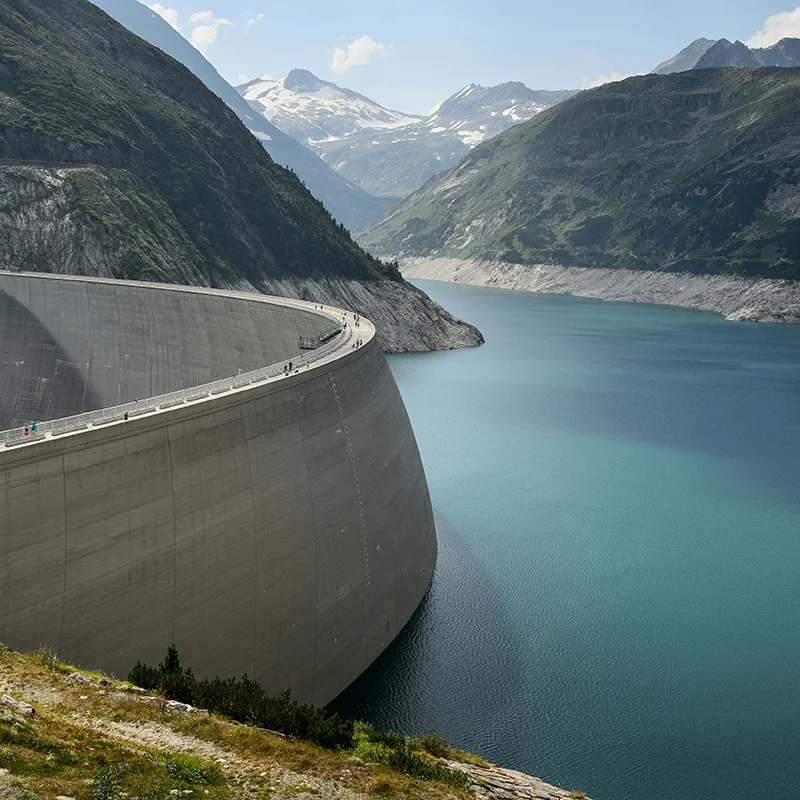
Water Availability
Water is constantly moving on the Earth between the atmosphere, ocean, rivers and streams, snowpacks and ice sheets, and underground. Water availability, both as surface water and groundwater, is essential for agriculture, human consumption, industry, and energy generation.
Learn more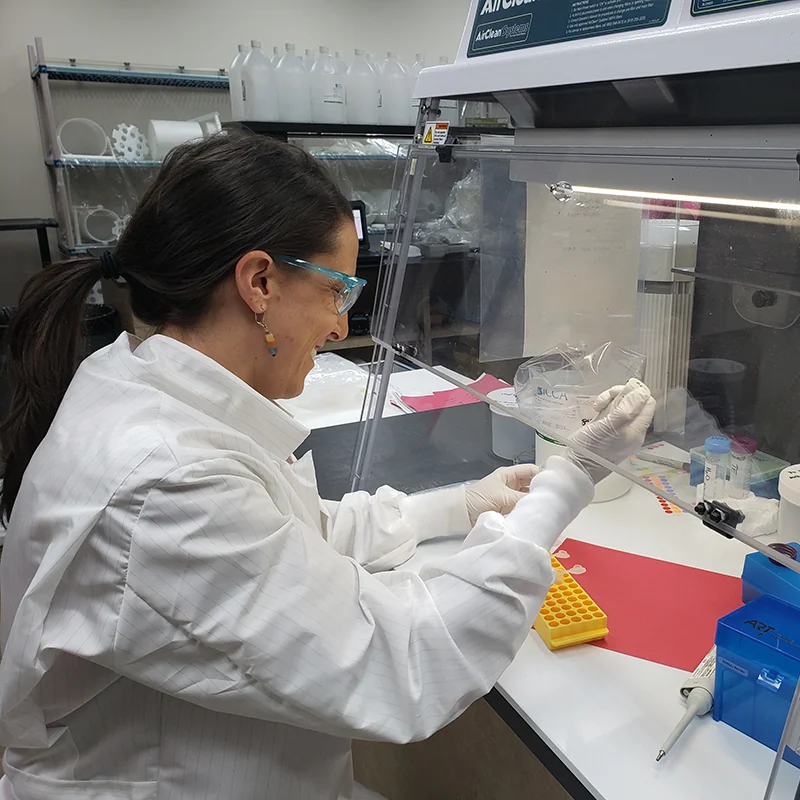
Water Quality
Water quality refers to whether water is suitable for a certain purpose, like drinking or irrigation. Both natural and man-made factors can affect water quality. Contaminants can include bacteria, metals, and man-made chemicals like pesticides or pharmaceutical drugs.
Learn more