


Intersection Topic
Metals
Metals are found in many different places around the world. Many natural Earth processes affect their distribution and abundance. Metals are essential to our economy and lifestyle, and the global demand for metals continues to rise.
The Basics
Metals occur in many different geologic settings around the world. If enough metal is concentrated in one place to be of economic value, it is called an ore deposit. Well-known metals include copper, iron, gold, aluminum, manganese, and platinum, but nearly all of the sixty or so metals in the periodic table have practical uses. Geoscientists know that different types of ore deposits occur in areas where particular types of geologic processes have taken place.
Why do metals matter?
Metals are central to our economy and our culture. Without metals, modern technology would not be possible. Electrical wiring, cars, modern buildings, appliances, and consumer electronics could not exist. For each resident of our country, the United States uses hundreds of pounds of metals per year including iron, aluminum, copper, lead, zinc, and dozens more.[1] Many ‘critical minerals’ used in today’s high-tech world are metals.
How does geoscience help inform decisions about metal resources?
Geoscientists study the natural formation of metals in the Earth; explore for and locate metal ore deposits; help determine how to mine them economically, safely, and with minimal environmental impact; help protect water and ecological resources around the mines; and help reclaim disturbed land after mining.
References
1 How many pounds of minerals are needed for each person in the U.S. per year?, AGI Critical Issues Program
Learn More
Introductory Resources
- Metal Mining and the Environment, American Geosciences Institute
Provides basic information about the mining cycle, from exploration for economic mineral deposits to mine closure. The booklet discusses the environmental aspects of metal mining and illustrates the ways science and technology assist in preventing or reducing environmental impacts.
Resources for Educators
-
Education GeoSource Network (EGS), AGI
Search for metal resources related to professional resources, curricula & instruction, teaching media, outreach programs, and other EGS collections. -
NGSS Performance Expectations, Next Generation Science Standards
K-ESS3-1, 4-ESS3-1, MS-ESS3-1, HS-ESS3-1, HS-ESS3-2, 2-PS1-2, 2-PS1-3, HS-PS2-6 -
NGSS Disciplinary Core Ideas, Next Generation Science Standards
ESS3.A, PS1.A
Additional Resources
Geoscience in Society Webinars
See how geoscience informs our understanding of societal issues.
Watch webinarsPolicy Resources
Search related case studies, factsheets and other policy resources.
Browse policy resourcesFAQs
Browse frequently asked questions related to the intersection of geoscience and society.
Browse FAQsEARTH Magazine
Browse related articles from EARTH magazine.
Browse EARTH MagazineEnvironmental Awareness Series
Read our reports showcasing how geoscience is used to address societal concerns.
Browse reportsExplore Related Topics

Critical Minerals
Critical minerals are those that are essential to the economy and whose supply may be disrupted. Critical minerals also tend to be those on which a country is heavily import-reliant, so the minerals that are deemed critical will vary from country to country. Demand for many of these minerals has skyrocketed in recent years with the spread of high-tech devices that use a wide variety of materials.

Industrial Minerals
Industrial minerals are non-metals including crushed rock, sand, and gravel. They are essential for construction of buildings and highways, and are used in many household products and industrial processes.
Mineral Resources
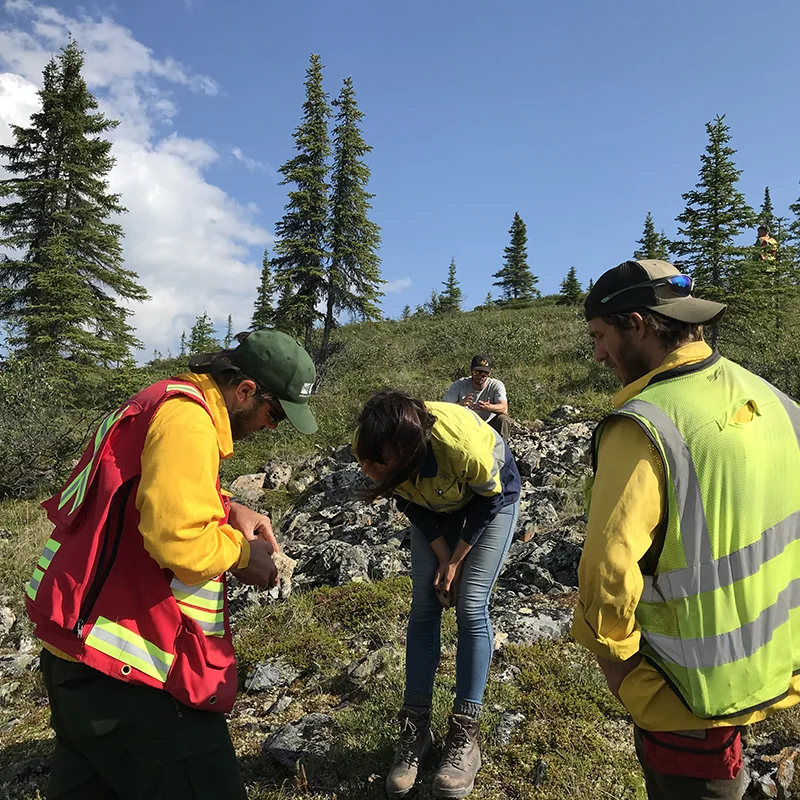
Global demand is rising for mineral resources of all kinds, including metals, industrial minerals, and solid fuels like coal. Mineral resources are unequally distributed around the globe, reflecting the vast differences in geology of different parts of the Earth. Geoscientists play an essential role in locating mineral resources and designing processes for their safe extraction.
Mining
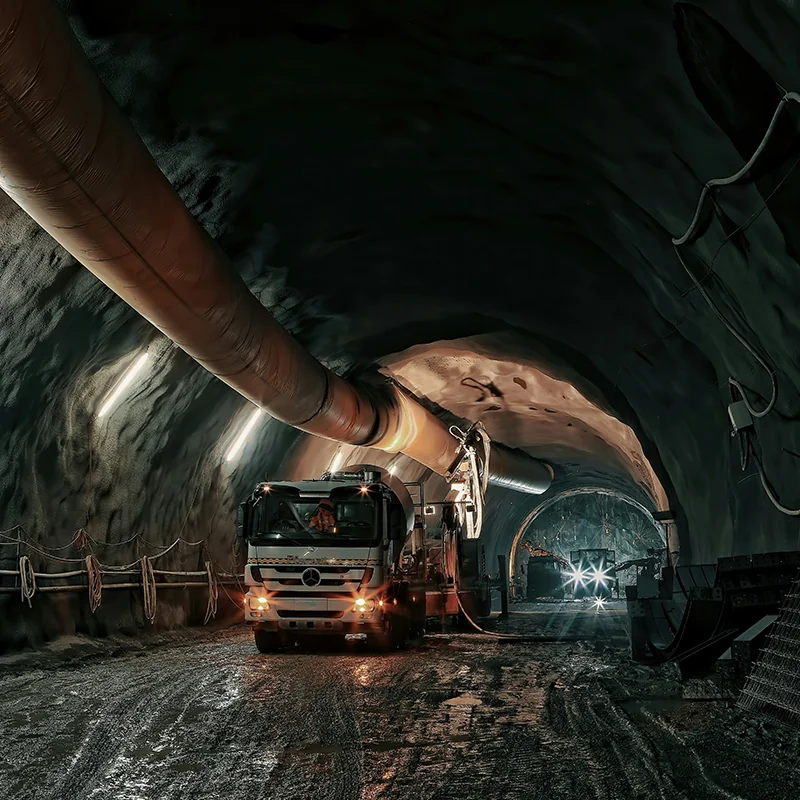
Mining is essential to meet rising global demand for minerals. Geoscientists locate mineral resources and figure out how to extract them economically while minimizing health and environmental impacts. The method of mining, as well as potential environmental impacts, depends on the type of resource being mined.