

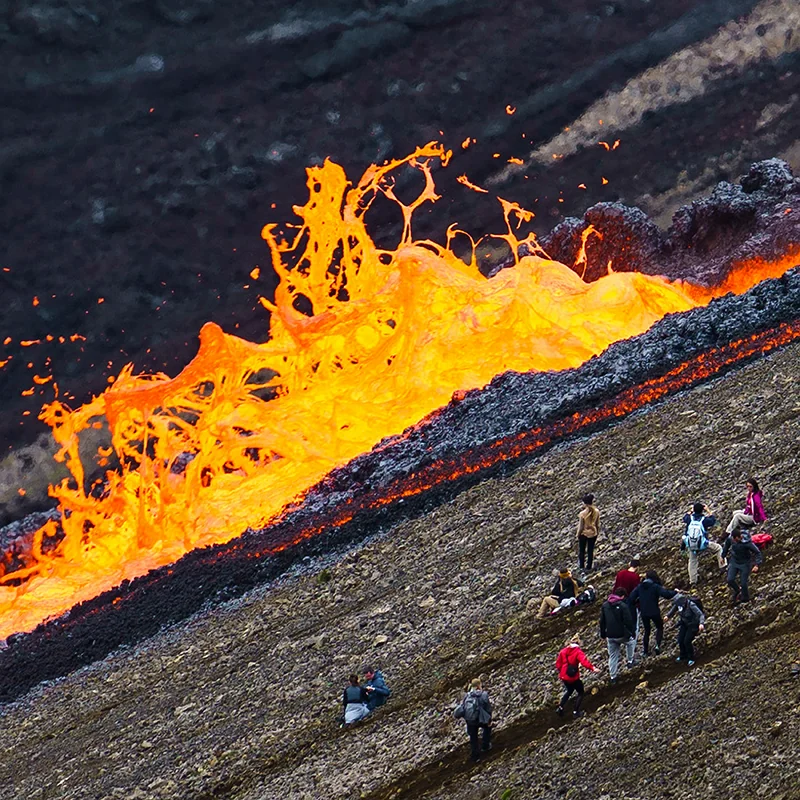
Intersection Topic
Volcanoes
Volcanoes pose many hazards to their surroundings, from ashfall, mudflows, lava flows, landslides, and associated earthquakes. At least 54 of the United States' 169 active volcanoes pose major threats to public health and safety and to major industries such as agriculture, aviation, and transportation.
The Basics
An explosive volcano can devastate its local area with mudflows, lava flows, and avalanches of hot rock and gas. Mudflows from ice-clad volcanoes like Mt. Rainier can travel tens of miles from the volcano. Some volcanic hazards, such as ash fall, can even impact areas hundreds of miles away. While it is not possible to forecast the exact time and place of an eruption, volcano monitoring is important in order to detect changes in a volcano’s activity and provide warning of potential eruptions.
Why do volcanoes matter?
As populations expand, more people, property, and airline routes are exposed to volcanic hazards. Volcanoes in the United States principally affect the West Coast states, Hawaii, and Alaska, but ash from eruptions can travel hundreds of miles, grounding flights and hindering ground transportation. The last major eruption in the lower United States occurred at Mount St. Helens in Washington in 1980, killing 57 people and causing nearly $1 billion in losses to forestry, agriculture, buildings, and roads.[1,2,3]
How does geoscience help inform decisions about volcanic hazards?
Geoscientists monitor volcanoes and study how they work in order to forecast eruptions and volcanic landslides. They also use combine measurements and observations with computer models to produce maps that show the predicted extent and impact of volcanic hazards, which can be used by emergency managers, planners and other decision makers to better prepare for and respond to volcanic hazards.
References
1 Washington State Department of Commerce and Economic Development Research Division, cited by Oregon State University, “Cost of Volcanic Eruptions”
2 The Economic Effects of the Eruptions of Mt. St. Helens, United States International Trade Commission Publication 1906
3 What were the effects on people when Mt St Helens erupted? Oregon State University
Learn More
Introductory Resources
- About Volcanoes, U.S. Geological Survey
Basic information on the main types of volcano hazards: gases, lahars, landslides, lava flows, pyroclastic flows, and tephra. Each hazard’s page also overviews triggers, effects, case studies, and warning systems.
Resources for Educators
-
Education GeoSource Network (EGS), AGI
Search for volcano resources related to professional resources, curricula & instruction, teaching media, outreach programs, and other EGS collections. -
NGSS Performance Expectations, Next Generation Science Standards
K-ESS3-2, 2-ESS2-2, 3-ESS3-1, 4-ESS3-2, MS-ESS3-2, HS-ESS3-1 -
NGSS Disciplinary Core Ideas, Next Generation Science Standards
ESS2.B, ESS3.B
Additional Resources
Geoscience in Society Webinars
See how geoscience informs our understanding of societal issues.
Watch webinarsPolicy Resources
Search related case studies, factsheets and other policy resources.
Browse policy resourcesFAQs
Browse frequently asked questions related to the intersection of geoscience and society.
Browse FAQsEARTH Magazine
Browse related articles from EARTH magazine.
Browse EARTH MagazineEnvironmental Awareness Series
Read our reports showcasing how geoscience is used to address societal concerns.
Browse reportsExplore Related Topics
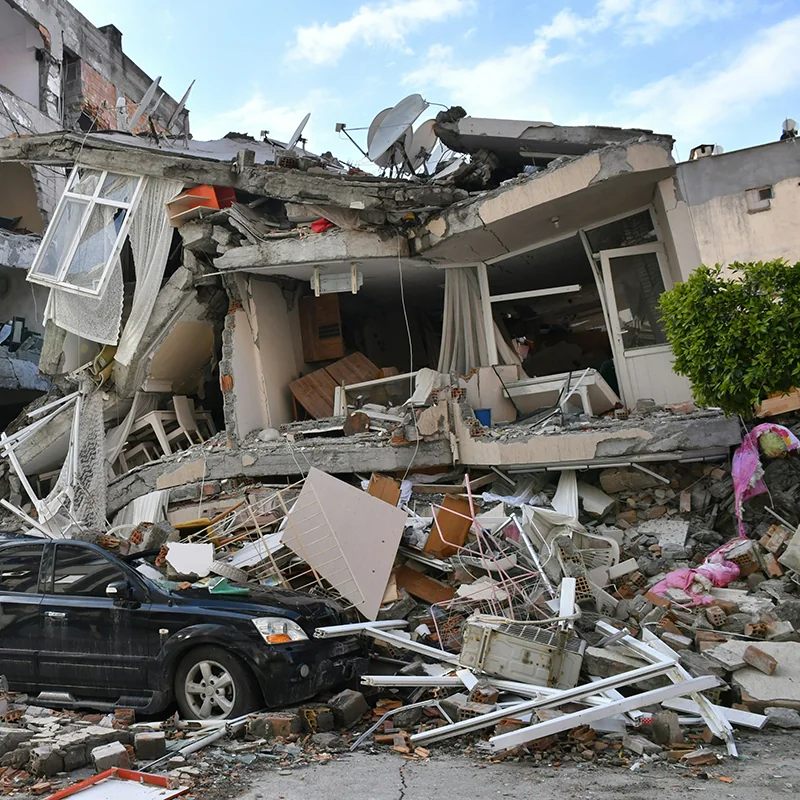
Earthquakes
Since 1900, earthquakes in the United States have resulted in over 1300 deaths and direct damages totaling more than $51 billion. While the West Coast and Alaska have the highest risk, history shows that major earthquakes can also affect the Central and Eastern United States.
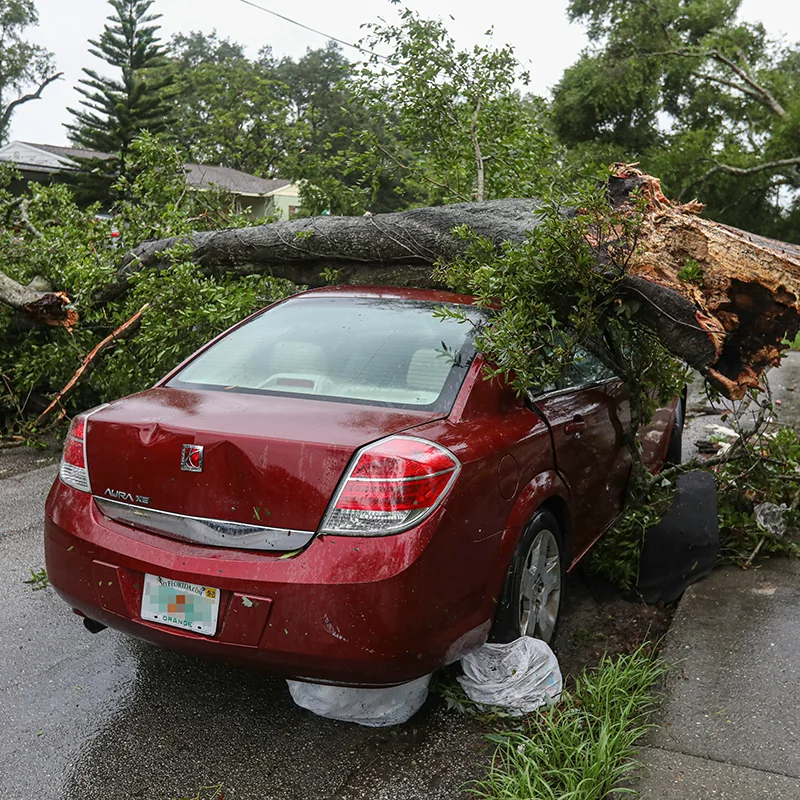
Hazards
Natural hazards such as earthquakes, landslides, hurricanes, floods, and wildfires endanger public health and safety, threaten critical infrastructure, and cost our economy billions of dollars each year. Geoscientists study these hazards to provide information and warnings to populations at risk.
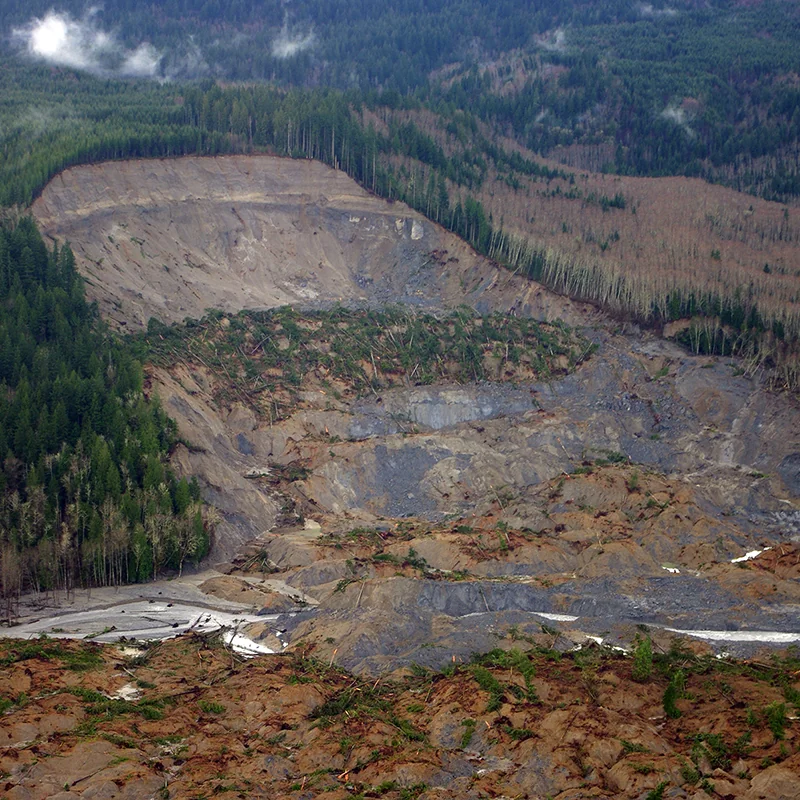
Landslides
Landslides affect all 50 states and U.S. territories, where they cause 25 to 50 deaths and more than $1 billion in damages each year. Geoscientists study and monitor landslides to identify at-risk areas, prepare populations, and improve our understanding of why, when, and where landslides happen.
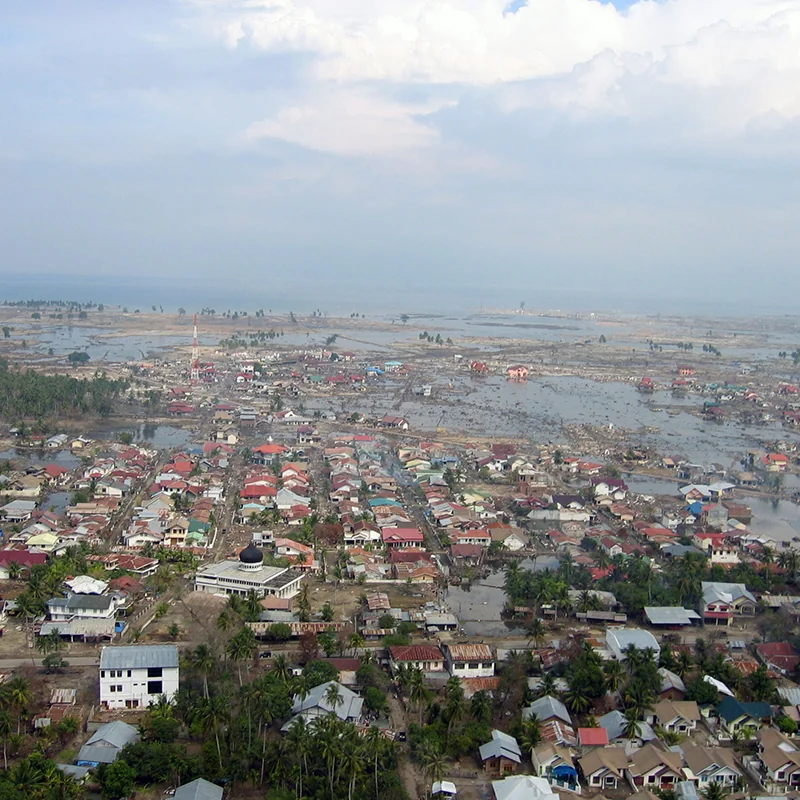
Tsunamis
Tsunamis are destructive waves caused by sudden displacement of ocean water. Tsunamis most often appear on shore as a rapidly receding tide or rapidly rising flood. In the United States, the Pacific coastal states – Oregon, Washington, California, Alaska, and Hawaii – are at greatest risk for destructive tsunamis.