

Intersection Topic
Sinkholes
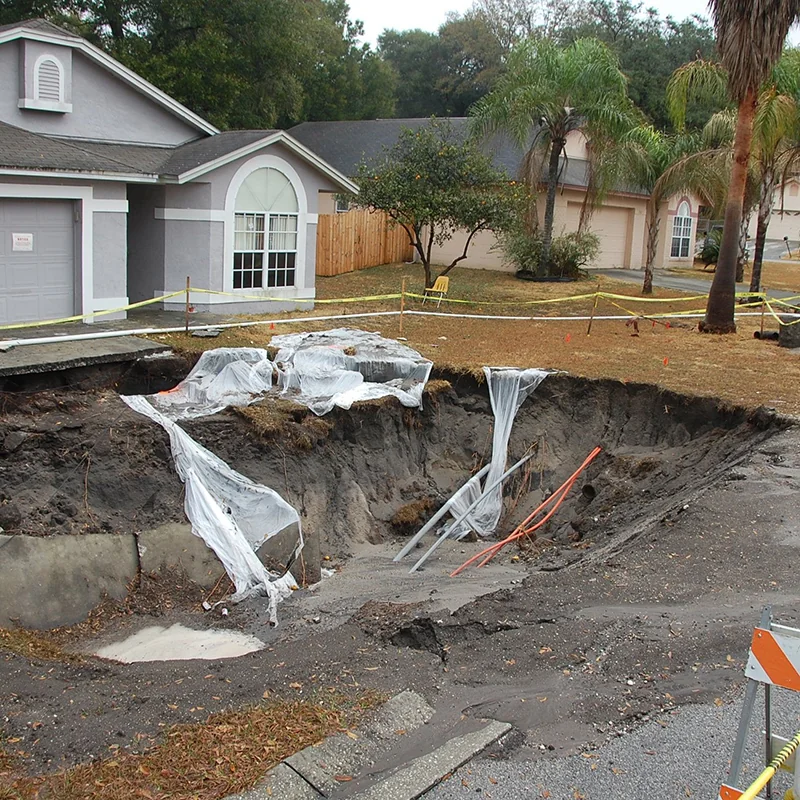
Sinkholes have both natural and artificial causes. They tend to occur most often in places where water can dissolve the bedrock (especially limestone) below the surface, causing overlying rocks to collapse. Florida, Texas, Alabama, Missouri, Kentucky, Tennessee, and Pennsylvania are most sinkhole-prone.
The Basics
Most sinkholes occur in places where water can dissolve the rock below the surface, for example where the bedrock is limestone, salt, or gypsum. They can collapse very quickly, or slump slowly over time. Many sinkholes occur naturally, but human activities can also cause them. Over-pumping of groundwater, mining, and leaking pipes beneath roads and buildings are common causes of artificial sinkholes.
Why do sinkholes matter?
Like landslides, sinkholes can devastate small areas. Natural sinkholes are a potential threat throughout 20% of the United States.[1] Florida, Texas, Alabama, Missouri, Kentucky, Tennessee, and Pennsylvania are most sinkhole-prone because of their bedrock. Human-induced sinkholes can develop anywhere due to careless practices.
How does geoscience help?
Geoscientists study how sinkholes form in order to warn the public. They make maps identifying the types of bedrock where sinkholes are likely to form so that homeowners and public officials can understand their local risks.
References
1 Wood NJ, Doctor DH, Alder J and Jones J (2023) Current and future sinkhole susceptibility in karst and pseudokarst areas of the conterminous United States. Front. Earth Sci. 11:1207689. doi: 10.3389/feart.2023.1207689
Learn More
Introductory Resources
- Living with Karst - A Fragile Foundation, American Geosciences Institute
This booklet illustrates what karst is and why karst areas are important. It also discusses karst-related environmental and engineering concerns, guidelines for living with karst, and highlights sources of additional information.
Resources for Educators
-
Education GeoSource Network (EGS), AGI
Search for sinkhole resources related to professional resources, curricula & instruction, teaching media, outreach programs, and other EGS collections. -
NGSS Performance Expectations, Next Generation Science Standards
2-ESS2-1, 5-ESS2-1, MS-ESS2-2, HS-ESS2-1, HS-ESS2-2, MS-ESS2-4, MS-ESS2-2, HS-ESS2-5 -
NGSS Disciplinary Core Ideas, Next Generation Science Standards
ESS2.A, ESS2.C
Additional Resources
Geoscience in Society Webinars
See how geoscience informs our understanding of societal issues.
Watch webinarsPolicy Resources
Search related case studies, factsheets and other policy resources.
Browse policy resourcesFAQs
Browse frequently asked questions related to the intersection of geoscience and society.
Browse FAQsEARTH Magazine
Browse related articles from EARTH magazine.
Browse EARTH MagazineEnvironmental Awareness Series
Read our reports showcasing how geoscience is used to address societal concerns.
Browse reportsExplore Related Topics
Drought
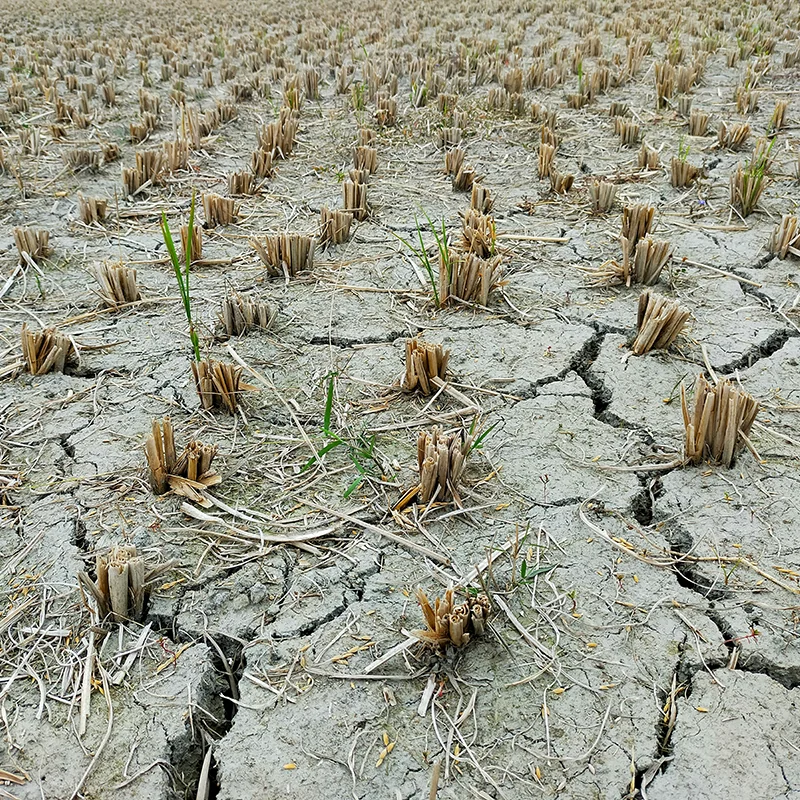
Since 1980 the United States has experienced more than 24 major droughts, resulting in almost 3,000 deaths and economic impacts exceeding $225 billion.All areas of the U.S. have some drought risk.
Earthquakes
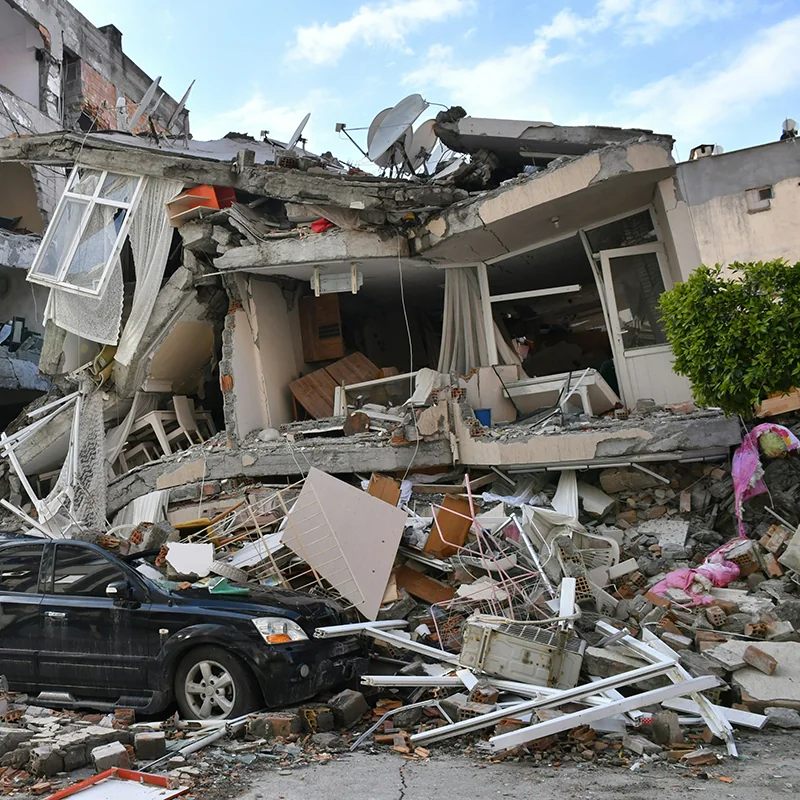
Since 1900, earthquakes in the United States have resulted in over 1300 deaths and direct damages totaling more than $51 billion. While the West Coast and Alaska have the highest risk, history shows that major earthquakes can also affect the Central and Eastern United States.
Floods
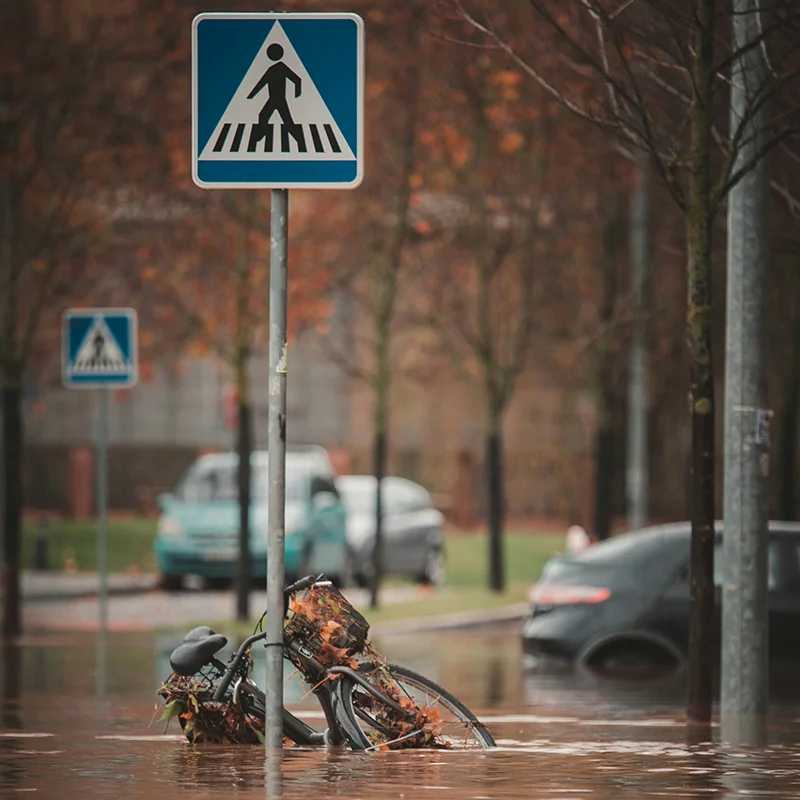
Flooding is the most common and costliest natural hazard facing the United States. Each year, flooding causes billions of dollars in damages and dozens of deaths nationwide.
Groundwater
Groundwater is the water found underground in the cracks and spaces in soil, sand, and rock. Groundwater has been used by humans for thousands of years; today it provides 25% of the fresh water used in the United States, mostly for irrigation and public water supplies.
Hazards
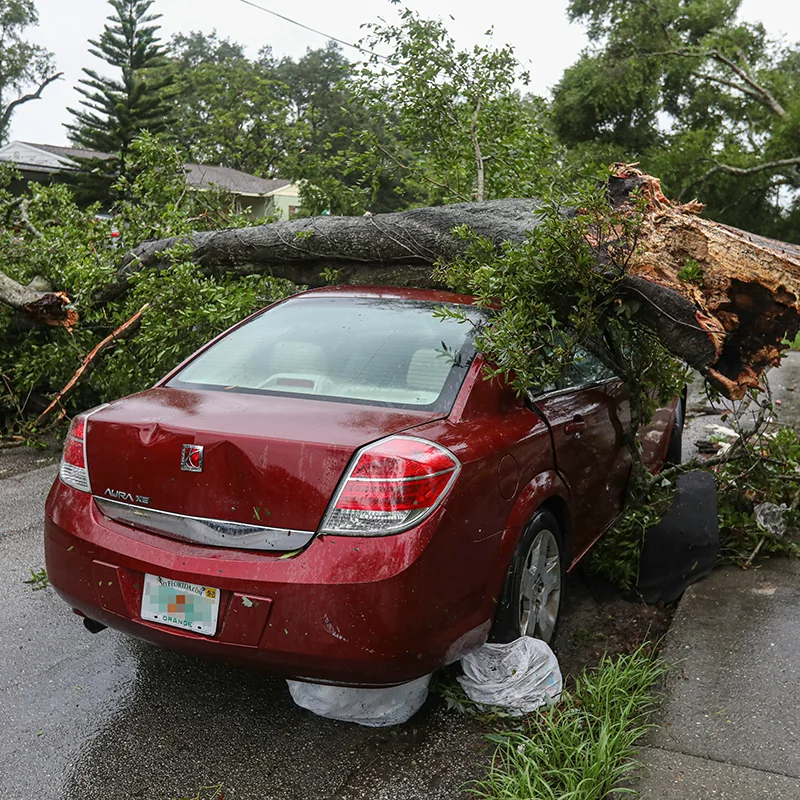
Natural hazards such as earthquakes, landslides, hurricanes, floods, and wildfires endanger public health and safety, threaten critical infrastructure, and cost our economy billions of dollars each year. Geoscientists study these hazards to provide information and warnings to populations at risk.
Landslides
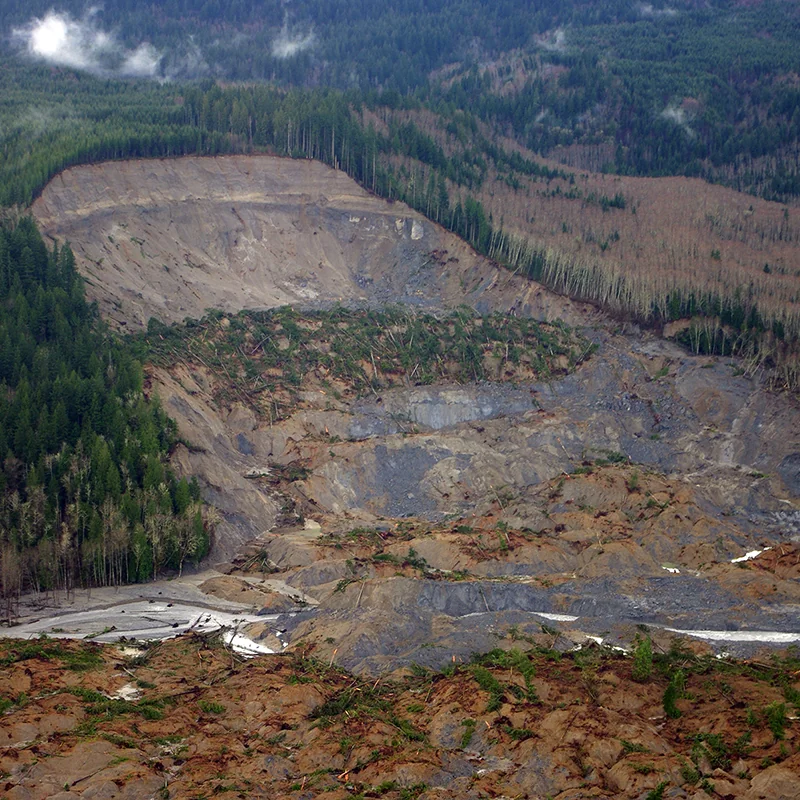
Landslides affect all 50 states and U.S. territories, where they cause 25 to 50 deaths and more than $1 billion in damages each year. Geoscientists study and monitor landslides to identify at-risk areas, prepare populations, and improve our understanding of why, when, and where landslides happen.