

Geoscience FAQ
Does hydraulic fracturing cause earthquakes?
Information preserved from U.S. Geological Survey.
"Reports of hydraulic fracturing causing felt earthquakes are extremely rare. However, wastewater produced by the hydraulic fracturing process can cause “induced” earthquakes when it is injected into deep wastewater wells.
Wastewater disposal wells typically operate for longer durations and inject much more fluid than wells that are extracting oil through hydraulic fracturing. Wastewater injection can raise pressure levels in the rock formation more than the process of hydraulic fracturing does, and increases the likelihood of induced earthquakes.
Most wastewater injection wells are not associated with felt earthquakes. A combination of many factors is necessary for injection to induce felt earthquakes."
Learn More:
- State Responses to Induced Earthquakes (Webinar), American Geosciences Institute
2017 webinar providing information on how Oklahoma, Texas, and Ohio are responding to induced earthquakes on the state level. Includes information on the causes of induced earthquakes in different places, including data on the relationship between wastewater injection and induced earthquakes in Oklahoma.
- Induced Seismicity in the Midcontinent (Webinar), American Geosciences Institute
2015 webinar providing background information about induced seismic activity in the United States, specifically in the mid-continent, and includes information on mitigation planning, the current state of seismic monitoring at the state level, and the challenges in communicating the science of the issue to the public and decision-makers
- Induced Earthquakes (Webpage), U.S. Geological Survey
After filtering for "Induced Earthquakes", answers identify the recent increase in earthquakes in the central and eastern United States, and discusses preliminary evidence for whether they are natural or man-made.
- Earthquakes Induced by Fluid Injection (FAQ), U.S. Geological Survey
After filtering for "Earthquakes Induced by Fluid Injection," answers to several questions relevant to induced seismicity.
- Induced Seismicity Potential in Energy Technologies (Report), National Research Council
Provides a basic overview of the potential of four energy-related technologies, including hydraulic fracturing, to cause earthquakes that are large enough to be of concern to people.
Explore Related FAQs
How much water does the typical hydraulically fractured well require?
U.S. Geological Survey
Open FAQWhat environmental issues are associated with hydraulic fracturing?
U.S. Geological Survey
Open FAQWhat is frac sand?
American Geosciences Institute
Open FAQWhat is produced water?
American Geosciences Institute
Open FAQWhat is the role of shale as a source of oil and gas resources in the United States?
U.S. Energy Information Administration
Open FAQExplore Geoscience Intersections
Browse related geoscience intersections pages connected to the topics covered in this FAQ.
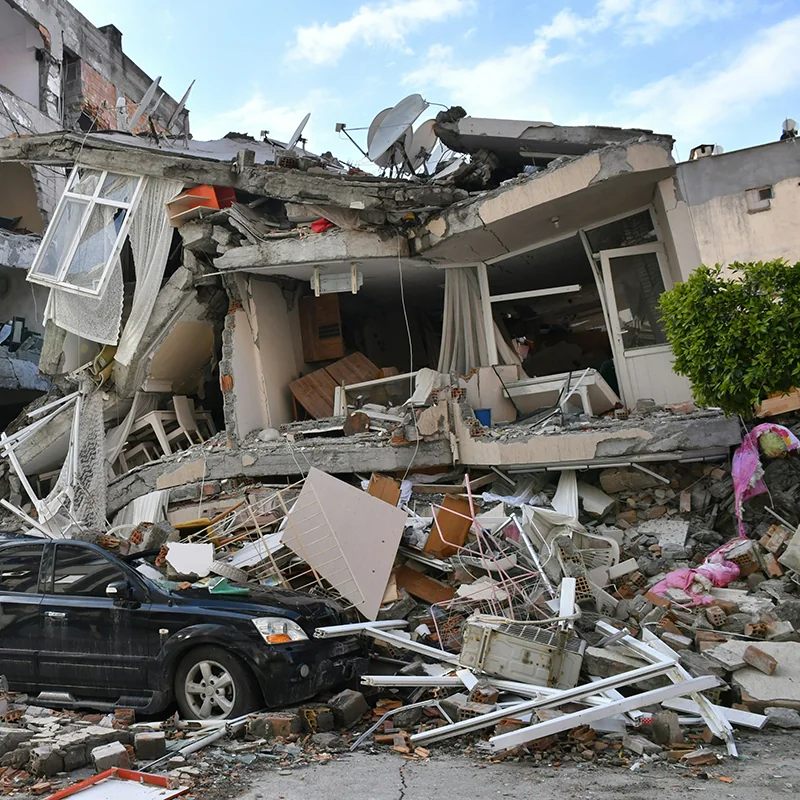
Earthquakes
Since 1900, earthquakes in the United States have resulted in over 1300 deaths and direct damages totaling more than $51 billion. While the West Coast and Alaska have the highest risk, history shows that major earthquakes can also affect the Central and Eastern United States.
Learn more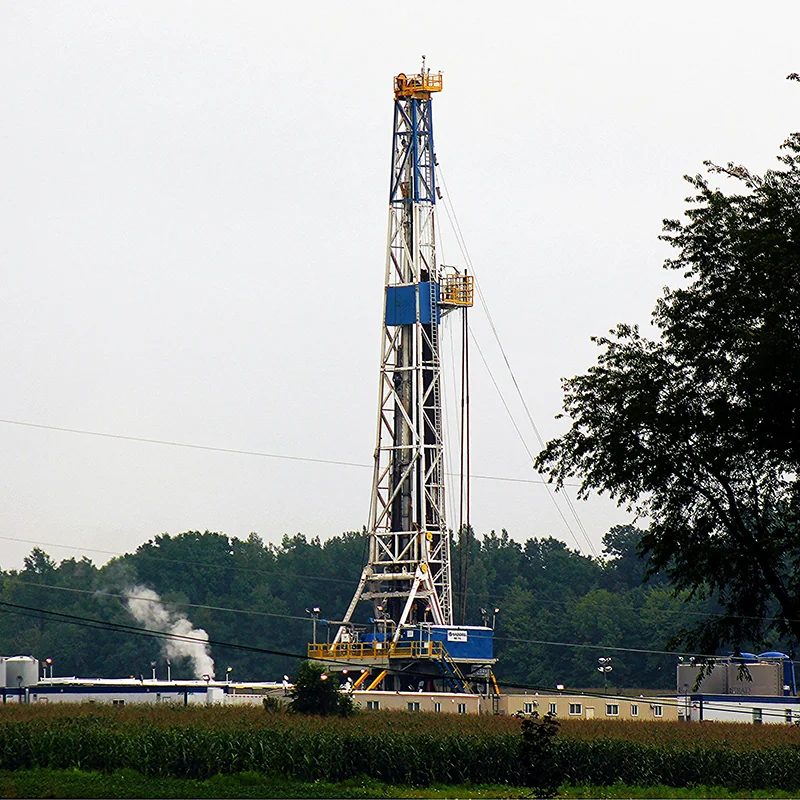
Hydraulic Fracturing
Hydraulic fracturing is a technique used in one step of the extraction of energy resources. Sometimes referred to as fracking, its wide application over the last decade has led to debate over its risks and benefits.
Learn more