

Geoscience FAQ
What is produced water?
Information preserved from American Geosciences Institute.
Produced water is naturally occurring water that comes out of the ground along with oil and gas
Most oil- and gas-bearing rocks also contain water. When the oil or gas is extracted from these rocks, the water comes out too. This “produced water” is a byproduct of almost all oil and gas extraction, though the amounts of produced water can vary widely in different places or over the lifetime of a single well.1 When hydraulic fracturing (“fracking”) has been used, some of the frac fluid may also return to the surface. This is sometimes called “flowback water” to distinguish it from the naturally occurring produced water that is extracted from the rock formation.2 In some cases, a large proportion of the extracted water is flowback, while in others it can be little or none.
Note: The term “produced water” is also occasionally used to describe water generated from scrubbers in power plants, extraction and processing of uranium resources, geothermal energy production, and carbon sequestration.3
What is the composition of produced water?
The composition of produced water depends on the chemistry of the rocks it has been in contact with. In the Bakken (North Dakota) and Marcellus (Pennsylvania and neighboring states) formations, produced waters can be over 10 times more saline than seawater.4 In California and Wyoming, many produced waters are much less saline than seawater.4 Produced water can also contain varying amounts of oil residues, sand or mud, naturally occurring radioactive materials, chemicals from frac fluids, bacteria, and dissolved organic compounds.1 Differences in composition affect how produced waters are treated, used, and/or disposed.5 The U.S. Geological Survey maintains a database of produced water compositions based on over 165,000 measurements across the United States.
References
1 The Water-Energy Nexus - An Earth Science Perspective U.S. Geological Survey
2 The Hydraulic Fracturing Water Cycle Environmental Protection Agency
3 Produced Waters: Overview U.S. Geological Survey
4 National Produced Waters Geochemical Database U.S. Geological Survey
5 Produced Water Management Technology Descriptions National Energy Technology Laboratory
Learn More:
- USGS Investigations of Water Produced During Hydrocarbon Reservoir Development (Factsheet), U.S. Geological Survey
2014 factsheet providing information on produced water and outlining USGS research into its treatment, use, and disposal.
- Flowback and Produced Waters: Opportunities and Challenges for Innovation (Report), National Academy of Sciences
Summary of a 2016 workshop on the reuse, disposal, and treatment of produced and flowback water from oil and gas operations
- Energy Resources Program: Oil and Gas Waters Project (Website), U.S. Geological Survey
USGS website on produced waters, including research, publications, data, and additional links.
- National Produced Waters Geochemical Database (Map), U.S. Geological Survey
USGS map-based database providing locations and data for produced water at over 165,000 wells across the United States.
- Produced Water Management Technology Descriptions (Website), National Energy Technology Laboratory
Descriptions of the many technologies used to reduce, treat, reuse, and dispose of produced water.
- Making Produced Water More Productive (Webinar), American Geosciences Institute
2015 webinar addressing the scientific and regulatory background of produced water, how it is disposed, potential options for reuse, and the environmental and regulatory challenges that influence reuse and disposal.
Explore Related FAQs
Do we have enough oil worldwide to meet our future needs?
U.S. Energy Information Administration
Open FAQDoes hydraulic fracturing cause earthquakes?
U.S. Geological Survey
Open FAQHow does 3D geologic mapping benefit society?
Alberta Geological Survey
Open FAQHow does recycling save energy?
American Geosciences Institute
Open FAQHow many nuclear power plants are there in the U.S.?
U.S. Energy Information Administration
Open FAQHow much carbon dioxide is produced when different fuels are burned?
U.S. Energy Information Administration
Open FAQHow much coal does the U.S. export and import?
American Geosciences Institute
Open FAQHow much electricity does a typical nuclear power plant generate?
U.S. Energy Information Administration
Open FAQHow much energy does a person use in a year?
American Geosciences Institute
Open FAQHow much natural gas does the United States have, and how long will it last?
U.S. Energy Information Administration
Open FAQHow much of the world's energy does the United States use?
U.S. Energy Information Administration
Open FAQHow much of U.S. carbon dioxide emissions are associated with electricity generation?
U.S. Energy Information Administration
Open FAQHow much of world energy consumption and electricity generation is from renewable energy?
American Geosciences Institute
Open FAQHow much oil does the U.S. export and import?
American Geosciences Institute
Open FAQHow much oil is consumed in the United States?
U.S. Energy Information Administration
Open FAQHow much U.S. electricity is generated from renewable energy?
U.S. Energy Information Administration
Open FAQHow much water does the typical hydraulically fractured well require?
U.S. Geological Survey
Open FAQWhat are tar sands?
American Geosciences Institute
Open FAQWhat are the advantages and disadvantages of offshore wind farms?
American Geosciences Institute
Open FAQWhat are the different types of coal?
American Geosciences Institute
Open FAQWhat are the energy-related carbon dioxide (CO2) emissions by source and sector for the United States?
U.S. Energy Information Administration
Open FAQWhat are the major sources and users of energy in the United States?
U.S. Energy Information Administration
Open FAQWhat are underground injection wells used for?
American Geosciences Institute
Open FAQWhat environmental issues are associated with hydraulic fracturing?
U.S. Geological Survey
Open FAQWhat is an Enhanced Geothermal System?
American Geosciences Institute
Open FAQWhat is coalbed methane?
American Geosciences Institute
Open FAQWhat is frac sand?
American Geosciences Institute
Open FAQWhat is renewable natural gas?
American Geosciences Institute
Open FAQWhat is the potential for geothermal energy production in the United States?
U.S. Geological Survey
Open FAQWhat is the role of shale as a source of oil and gas resources in the United States?
U.S. Energy Information Administration
Open FAQWhat types and amounts of energy are produced in each state?
U.S. Energy Information Administration
Open FAQWhere can I find maps or information on the location of natural gas and oil pipelines?
American Geosciences Institute
Open FAQWhich states are the largest producers and consumers of coal?
U.S. Energy Information Administration
Open FAQWhich states are the largest producers and consumers of coal?
American Geosciences Institute
Open FAQWhy is geothermal energy a renewable resource? Can it be depleted?
Drew L. Siler, PhD, Geothermal Geologist
Open FAQExplore Geoscience Intersections
Browse related geoscience intersections pages connected to the topics covered in this FAQ.
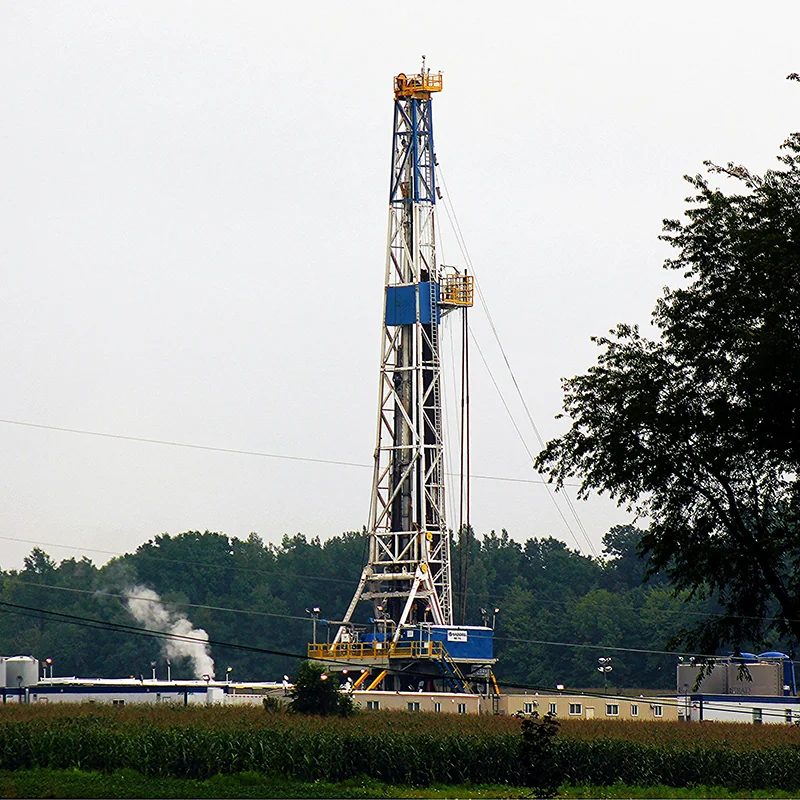
Hydraulic Fracturing
Hydraulic fracturing is a technique used in one step of the extraction of energy resources. Sometimes referred to as fracking, its wide application over the last decade has led to debate over its risks and benefits.
Learn more
Oil and Gas
Petroleum oil and natural gas are hydrocarbons that formed over millions of years under heat and pressure deep in the Earth. Petroleum and natural gas are the largest sources of energy in the United States.
Learn more
Waste Management
Although our industrial society produces a variety of solid wastes and waste waters, over the past 50 years we have made progress in disposing of them safely in landfills, by incineration, and in underground injection wells. Many wastes are also increasingly recycled or reused.
Learn more
Water Quality
Water quality refers to whether water is suitable for a certain purpose, like drinking or irrigation. Both natural and man-made factors can affect water quality. Contaminants can include bacteria, metals, and man-made chemicals like pesticides or pharmaceutical drugs.
Learn more