

Intersection Topic
Weather Hazards
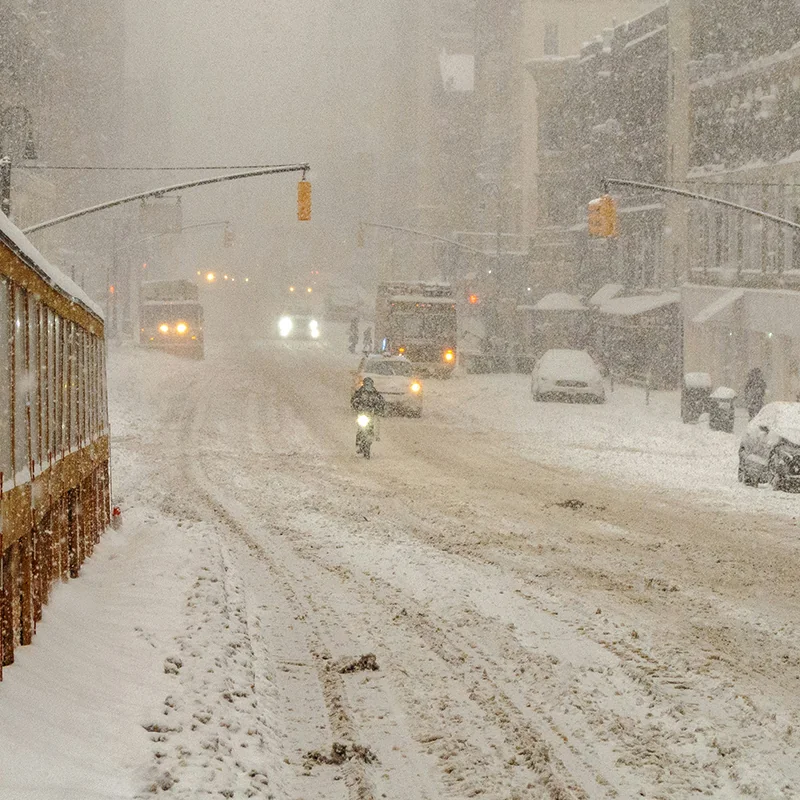
Weather hazards impact the entire country, with enormous effects on the economy and public safety. Since 1980, weather/climate disasters have cost the U.S. economy more than $2.9 trillion. In an average year, the United States will be affected by nine billion-dollar weather/climate disasters, but this number has increased in recent years: from 2020-2024 the average was 23 events.
The Basics
Weather hazards include hurricanes, tornadoes, thunderstorms, lightning, hail, winds, and winter weather. Many of these phenomena are related to atmospheric conditions that can be monitored and forecast.
Why do weather hazards matter?
Weather hazards impact the entire country, with enormous effects on the economy and public safety. Since 1980, weather/climate disasters have cost the U.S. economy more than $2.9 trillion.[1] Several billion-dollar weather/climate disasters affect the United States in an average year.[2]
How does geoscience help inform decisions about weather and climate hazards?
Geoscientists who study weather patterns, also known as meteorologists, closely monitor weather conditions in order to issue warnings and make recommendations to the public and emergency managers. They also combine these observations with computer models of the Earth’s atmosphere, land, and oceans to predict how weather is likely to change in the future.
References
1 Billion-Dollar Weather/Climate Disasters: Overview, NOAA
2 Billion-Dollar Weather/Climate Disasters: Table of Events, NOAA
Learn More
Introductory Resources
-
Severe Weather 101, National Severe Storms Laboratory/NOAA
Answers to basic questions about the science and forecasting of severe weather events, including tornadoes, thunderstorms, lightning, hail, floods, damaging winds and winter weather. -
How weather forecasts are created, UK Met Office
Explanation of how weather forecasting works, from measurements to models to distribution
Resources for Educators
-
Education GeoSource Network (EGS), AGI
Search for weater hazard resources related to professional resources, curricula & instruction, teaching media, outreach programs, and other EGS collections. -
NGSS Performance Expectations, Next Generation Science Standards
K-ESS2-1, K-ESS3-2, 3-ESS2-1, 3-ESS2-2, 3-ESS3-1, 4-ESS3-2, MS-ESS2-5, MS-ESS3-2, HS-ESS3-1 -
NGSS Disciplinary Core Ideas, Next Generation Science Standards
ESS2.D, ESS3.B
Additional Resources
Geoscience in Society Webinars
See how geoscience informs our understanding of societal issues.
Watch webinarsPolicy Resources
Search related case studies, factsheets and other policy resources.
Browse policy resourcesFAQs
Browse frequently asked questions related to the intersection of geoscience and society.
Browse FAQsEARTH Magazine
Browse related articles from EARTH magazine.
Browse EARTH MagazineEnvironmental Awareness Series
Read our reports showcasing how geoscience is used to address societal concerns.
Browse reportsExplore Related Topics
Climate Change
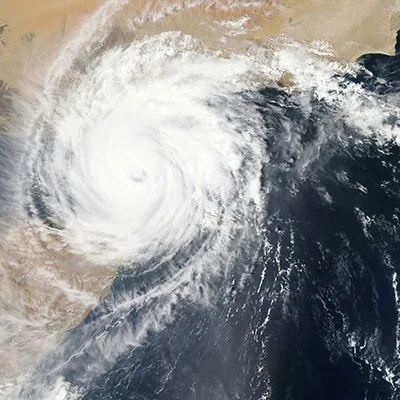
Climate has an enormous impact on society, with wide-ranging effects on public safety and health, the economy, transportation, infrastructure, and agriculture. Geoscientists investigate our climate’s past and present to better understand how it may change in the future.
Drought
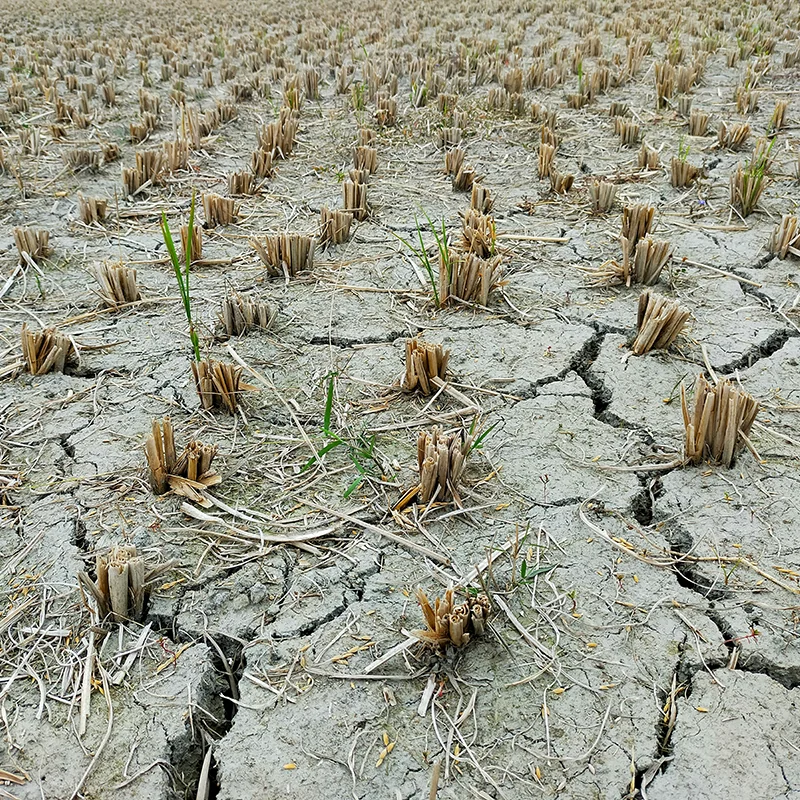
Since 1980 the United States has experienced more than 24 major droughts, resulting in almost 3,000 deaths and economic impacts exceeding $225 billion.All areas of the U.S. have some drought risk.
Floods
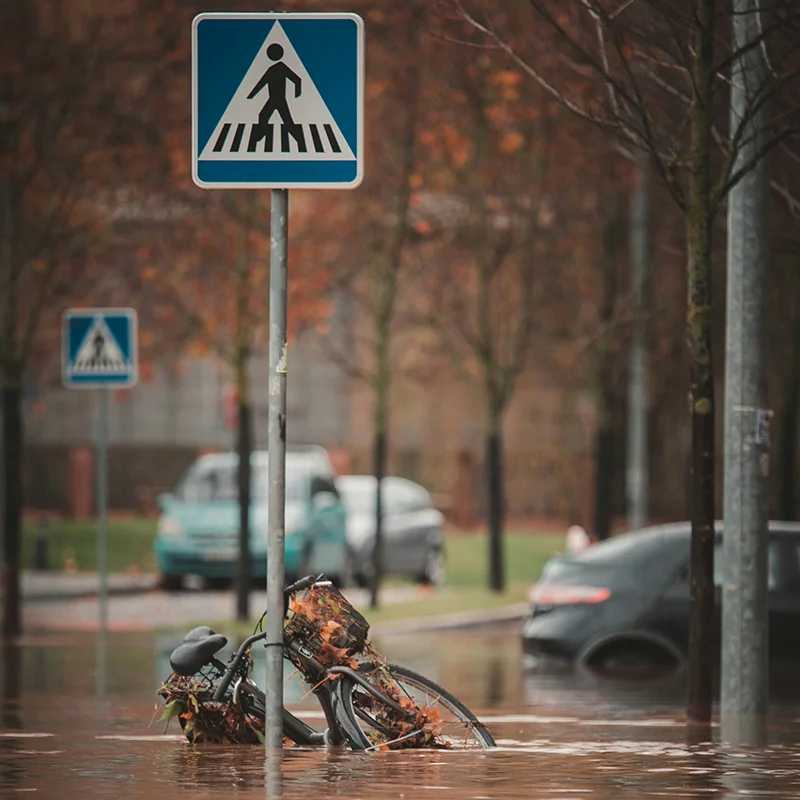
Flooding is the most common and costliest natural hazard facing the United States. Each year, flooding causes billions of dollars in damages and dozens of deaths nationwide.
Hazards
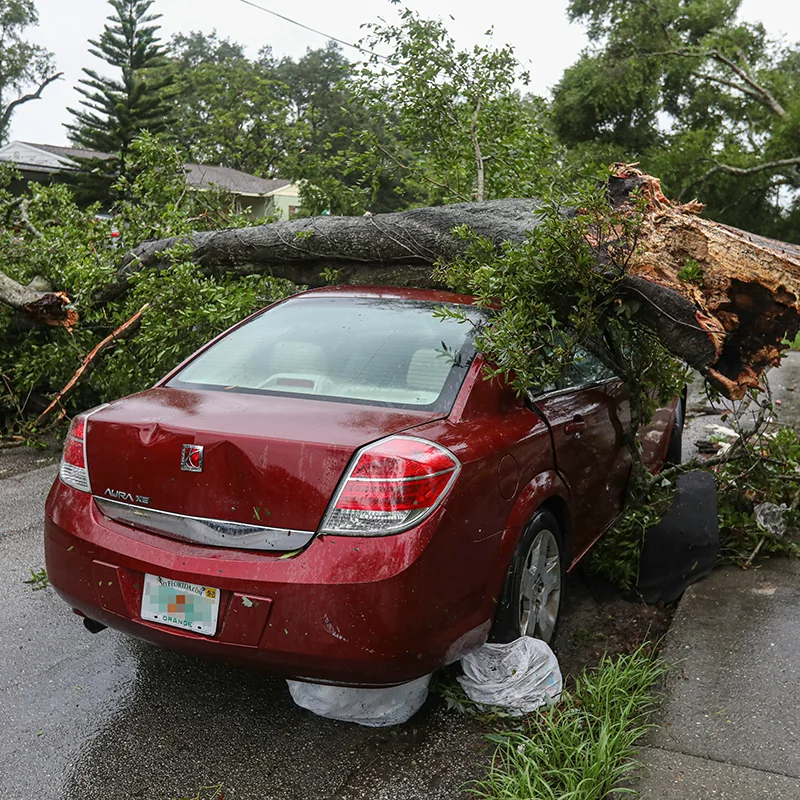
Natural hazards such as earthquakes, landslides, hurricanes, floods, and wildfires endanger public health and safety, threaten critical infrastructure, and cost our economy billions of dollars each year. Geoscientists study these hazards to provide information and warnings to populations at risk.
Landslides
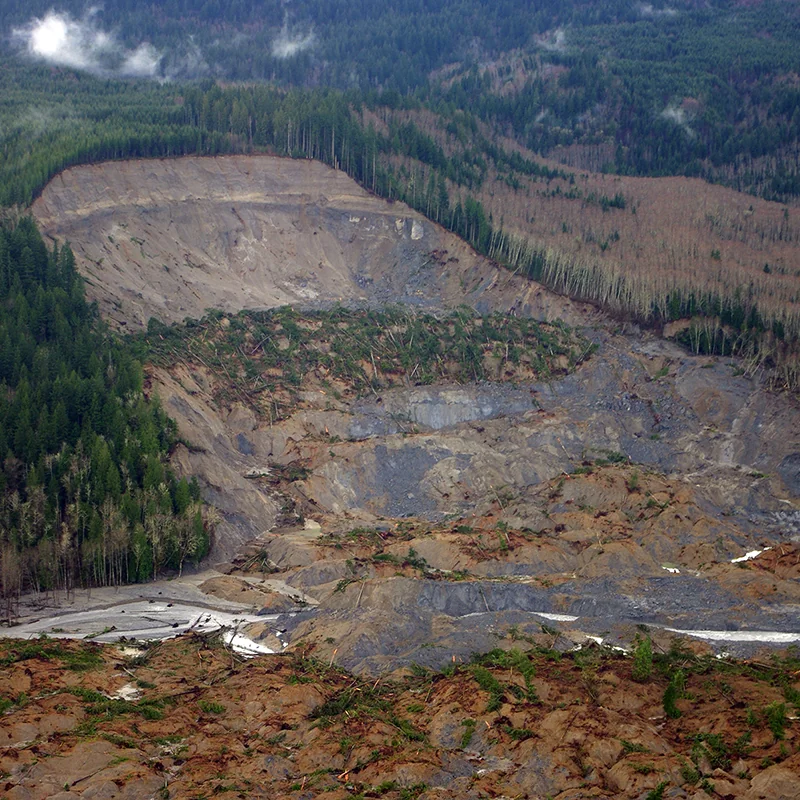
Landslides affect all 50 states and U.S. territories, where they cause 25 to 50 deaths and more than $1 billion in damages each year. Geoscientists study and monitor landslides to identify at-risk areas, prepare populations, and improve our understanding of why, when, and where landslides happen.
Sinkholes
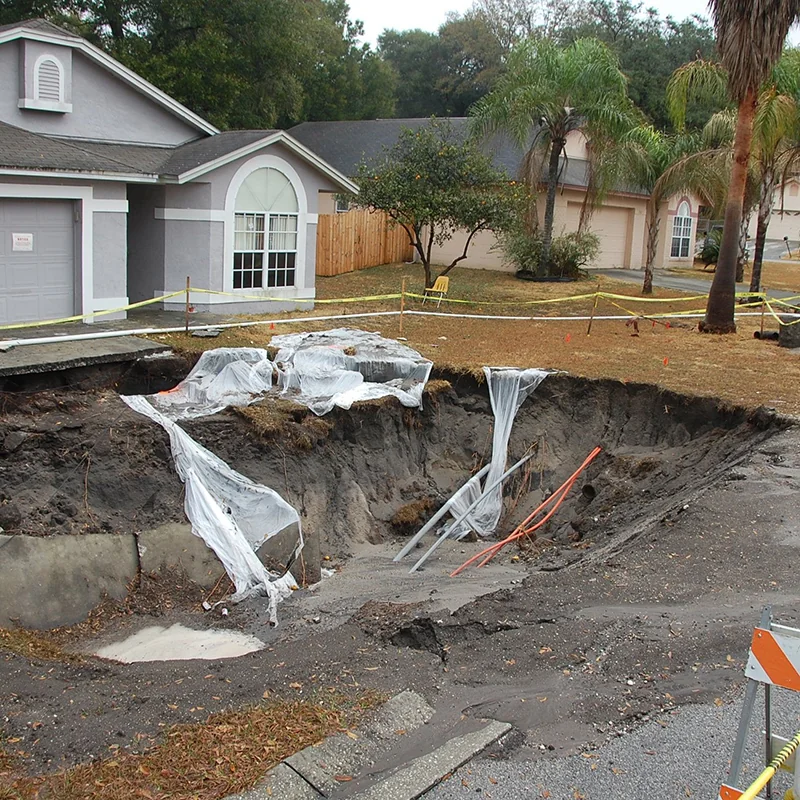
Sinkholes have both natural and artificial causes. They tend to occur most often in places where water can dissolve the bedrock (especially limestone) below the surface, causing overlying rocks to collapse. Florida, Texas, Alabama, Missouri, Kentucky, Tennessee, and Pennsylvania are most sinkhole-prone.
Wildfires
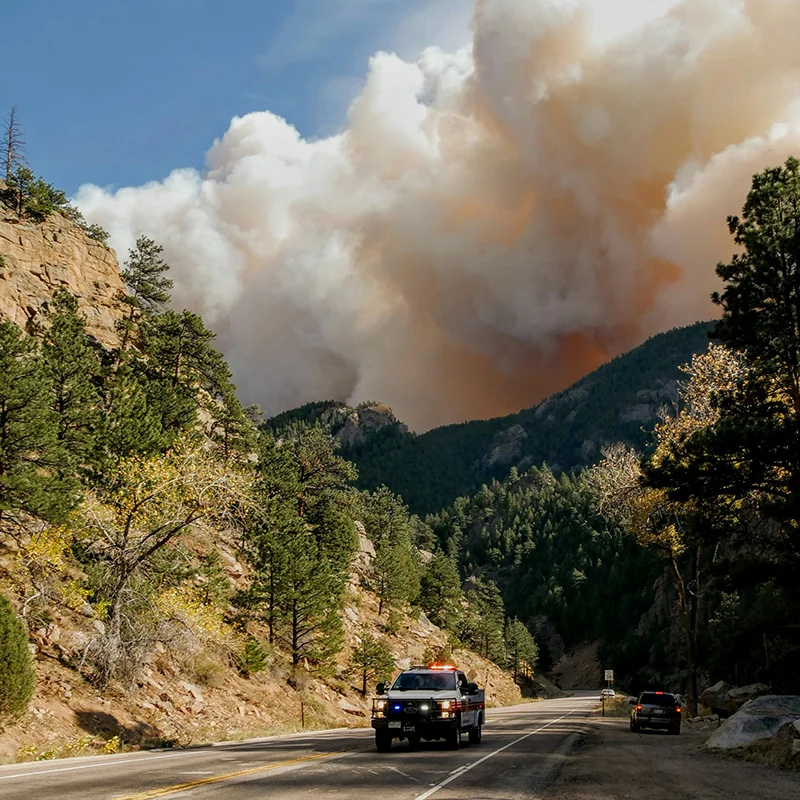
Wildfires are causing more frequent and wider-ranging societal impacts, especially as residential communities continue to expand into wildland areas. Since 2000, there have been twelve wildfires in the United States that have each caused damages exceeding $1 billion; cumulatively, these twelve wildfires have caused a total of $44 billion in damages.