

Geoscience FAQ
What is renewable natural gas?
Information preserved from American Geosciences Institute.
Renewable natural gas (RNG), also known as biomethane, is natural gas produced by the decomposition of organic matter under anaerobic (oxygen-free) conditions.1 The gas is captured and then purified to remove components such as water, carbon dioxide, and hydrogen sulfide.
The major sources of RNG are landfills, animal manure, and solid waste extracted during wastewater treatment.1 The term "renewable" is used to describe this natural gas because it is derived from waste that is continuously produced by present-day activities. These waste sources naturally produce methane as they decompose, so RNG production captures methane that would otherwise escape into the atmosphere..
The National Renewable Energy Laboratory estimates that the United States could generate up to 420 billion cubic feet of renewable natural gas per year from waste sources,2 or around 1.5% of current U.S. natural gas consumption.3
Renewable natural gas can also be generated from a range of plant materials and a range of other processes that are currently being developed.1
References
1 Renewable Natural Gas (Biomethane) Production U.S. Department of Energy
2 Biogas Potential in the United States National Renewable Energy Laboratory
3 U.S. Natural Gas Total Consumption Energy Information Administration
Learn More:
- Renewable Natural Gas (Biomethane) Production (Webpage), U.S. Department of Energy
Webpage summarizing the main sources and uses of renewable natural gas, with links to more information, including case studies.
- Biogas Potential in the United States (Report), National Renewable Energy Laboratory
2013 report on the potential for renewable natural gas production in the United States by geographic area and source.
- Waste to Energy & Biomass in California (Website), California Energy Commission
Website on renewable natural gas production and use in California, including electricity generation from RNG combustion, details on RNG generation methods, and relevant state policies.
- Biogas Opportunities Roadmap 2015 Progress Report (Report), U.S. Department of Agriculture
Collaborative report by the USDA, Department of Energy, and Environmental Protection Agency, on progress in using renewable natural gas in the United States with a view to reducing methane emissions.
- Landfill Methane Outreach Program (Website), Environmental Protection Agency
Website of the EPA's "voluntary assistance program that helps to reduce methane emissions from landfills by encouraging the recovery and beneficial use of landfill gas (LFG) as a renewable energy resource."
Explore Related FAQs
Do we have enough oil worldwide to meet our future needs?
U.S. Energy Information Administration
Open FAQDoes hydraulic fracturing cause earthquakes?
U.S. Geological Survey
Open FAQHow does 3D geologic mapping benefit society?
Alberta Geological Survey
Open FAQHow does recycling save energy?
American Geosciences Institute
Open FAQHow many nuclear power plants are there in the U.S.?
U.S. Energy Information Administration
Open FAQHow much carbon dioxide is produced when different fuels are burned?
U.S. Energy Information Administration
Open FAQHow much coal does the U.S. export and import?
American Geosciences Institute
Open FAQHow much electricity does a typical nuclear power plant generate?
U.S. Energy Information Administration
Open FAQHow much energy does a person use in a year?
American Geosciences Institute
Open FAQHow much natural gas does the United States have, and how long will it last?
U.S. Energy Information Administration
Open FAQHow much of the world's energy does the United States use?
U.S. Energy Information Administration
Open FAQHow much of U.S. carbon dioxide emissions are associated with electricity generation?
U.S. Energy Information Administration
Open FAQHow much of world energy consumption and electricity generation is from renewable energy?
American Geosciences Institute
Open FAQHow much oil does the U.S. export and import?
American Geosciences Institute
Open FAQHow much oil is consumed in the United States?
U.S. Energy Information Administration
Open FAQHow much U.S. electricity is generated from renewable energy?
U.S. Energy Information Administration
Open FAQHow much water does the typical hydraulically fractured well require?
U.S. Geological Survey
Open FAQWhat are tar sands?
American Geosciences Institute
Open FAQWhat are the advantages and disadvantages of offshore wind farms?
American Geosciences Institute
Open FAQWhat are the different types of coal?
American Geosciences Institute
Open FAQWhat are the energy-related carbon dioxide (CO2) emissions by source and sector for the United States?
U.S. Energy Information Administration
Open FAQWhat are the major sources and users of energy in the United States?
U.S. Energy Information Administration
Open FAQWhat are underground injection wells used for?
American Geosciences Institute
Open FAQWhat environmental issues are associated with hydraulic fracturing?
U.S. Geological Survey
Open FAQWhat is an Enhanced Geothermal System?
American Geosciences Institute
Open FAQWhat is coalbed methane?
American Geosciences Institute
Open FAQWhat is frac sand?
American Geosciences Institute
Open FAQWhat is produced water?
American Geosciences Institute
Open FAQWhat is the potential for geothermal energy production in the United States?
U.S. Geological Survey
Open FAQWhat is the role of shale as a source of oil and gas resources in the United States?
U.S. Energy Information Administration
Open FAQWhat types and amounts of energy are produced in each state?
U.S. Energy Information Administration
Open FAQWhere can I find maps or information on the location of natural gas and oil pipelines?
American Geosciences Institute
Open FAQWhich states are the largest producers and consumers of coal?
U.S. Energy Information Administration
Open FAQWhich states are the largest producers and consumers of coal?
American Geosciences Institute
Open FAQWhy is geothermal energy a renewable resource? Can it be depleted?
Drew L. Siler, PhD, Geothermal Geologist
Open FAQExplore Geoscience Intersections
Browse related geoscience intersections pages connected to the topics covered in this FAQ.

Oil and Gas
Petroleum oil and natural gas are hydrocarbons that formed over millions of years under heat and pressure deep in the Earth. Petroleum and natural gas are the largest sources of energy in the United States.
Learn more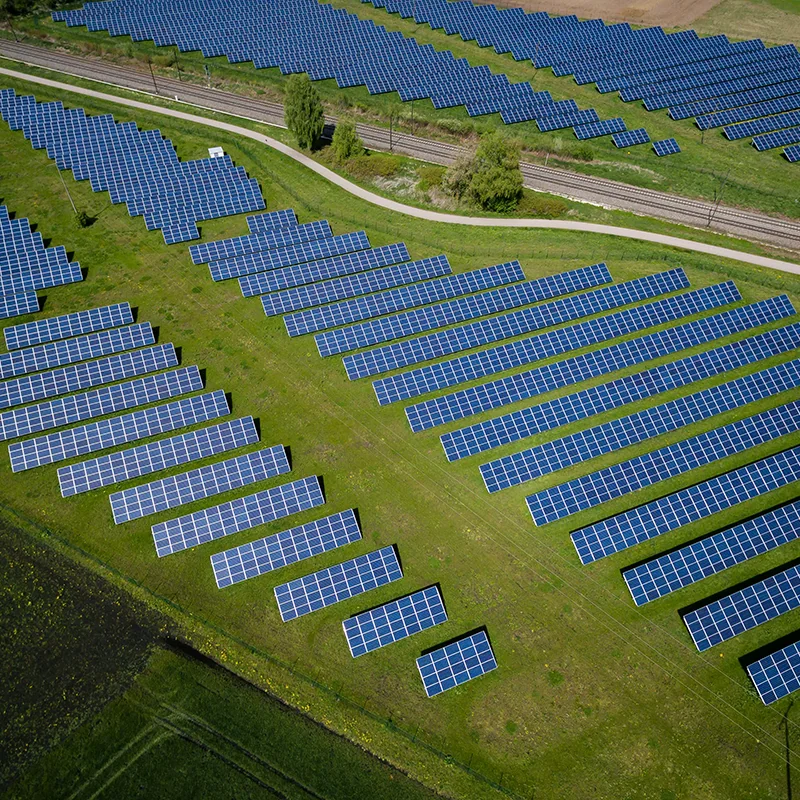
Renewable Energy
Renewable energy comes from sources that are constantly replenished, like running water, the heat of the Earth, the Sun's light, or wind. Renewables account for around 11% of U.S. energy consumption and 17% of electricity production.
Learn more